Week 1 Research on The Association of Photographers (AOP):
The Association of Photographers(AOP):
The Association of Photographers was first formed in 1968 and was known as ‘The Association of Fashion and Advertising Photographers.’ Being one of the most distinguished professional photographers association in the world they aim to promote and protect the worth and the standing of the members that are part of the association; to defend and educate for the interests and the rights of the photographers that are the members of the association especially the photographers the are in the commercial photographic industry.
Their membership is open up to all kinds of individuals in the photography industry. For example: ‘Professional and Assisting Photographers working in the creative sector, Agents, any Individuals working in the photographic industry, those starting out in the profession, those in education and anyone with an interest in professional photography.’ From the AOP website https://www.the-aop.org/information/about-us
The members’ clients can range from: ‘advertising agencies, design groups, corporate sector companies, publishing houses and music publishers.’From the AOP website https://www.the-aop.org/information/about-us
As a student I feel having this resource to help educate me and to help protect my rights is very useful especially if I want to carry on photography as a career. As I can get in touch with other photographers or agents etc. To help get my career started I feel that having this a resource is a great advantage as I can gain experience and also have access to employers/employees to help me with my photography.
The National Union of Journalists (NUJ):
The National Union of Journalist was founded in 1907 and is one of the largest journalists’ unions in the world. The NUJ is an inclusive union which represent a big range of media professionals. They aim to be a voice for journalists and journalism as a whole. They also aim to improve the pay and conditions for their members and protect and promote media freedom, professionalism and ethical standards; as an active union- they provide a campaign to their members to negotiate whether they are being rewarded for their skilled work. the NUJ represent in towns and cities all over the UK, Ireland and parts of Europe.
Their members are all in the following sectors: ‘Newspapers and agencies; broadcasting, magazines, books, PR and communications, freelance and new media’. From the NUJ website https://www.nuj.org.uk/about/. They have specific categories for students and video photographers of which is represented by the Photographer’s Council.
As a student I feel that having this as a resource could be useful as they can help students in this professional sector. However as I have realised that I don’t want to become a photojournalist as a career so I feel that this union isn’t going to be as useful in my career.
Week 2 Shoot Exercise:
For this shoot I had to take photographs that include:
- A portrait, shot indoors using direct flash with E-TTL
- A portrait, shot indoors using direct flash on manual flash.
- A portrait, shot indoors using bounced flash on E-TTL
- A portrait, shot indoors using bounced-flash on manual flash.
- A portrait, shot outdoors on a sunny day, using ETTL for a fill in flash
- A portrait, shot outdoors on a sunny day,using manual for fill in flash
Shoot Indoors using Direct Flash, E-TTL:
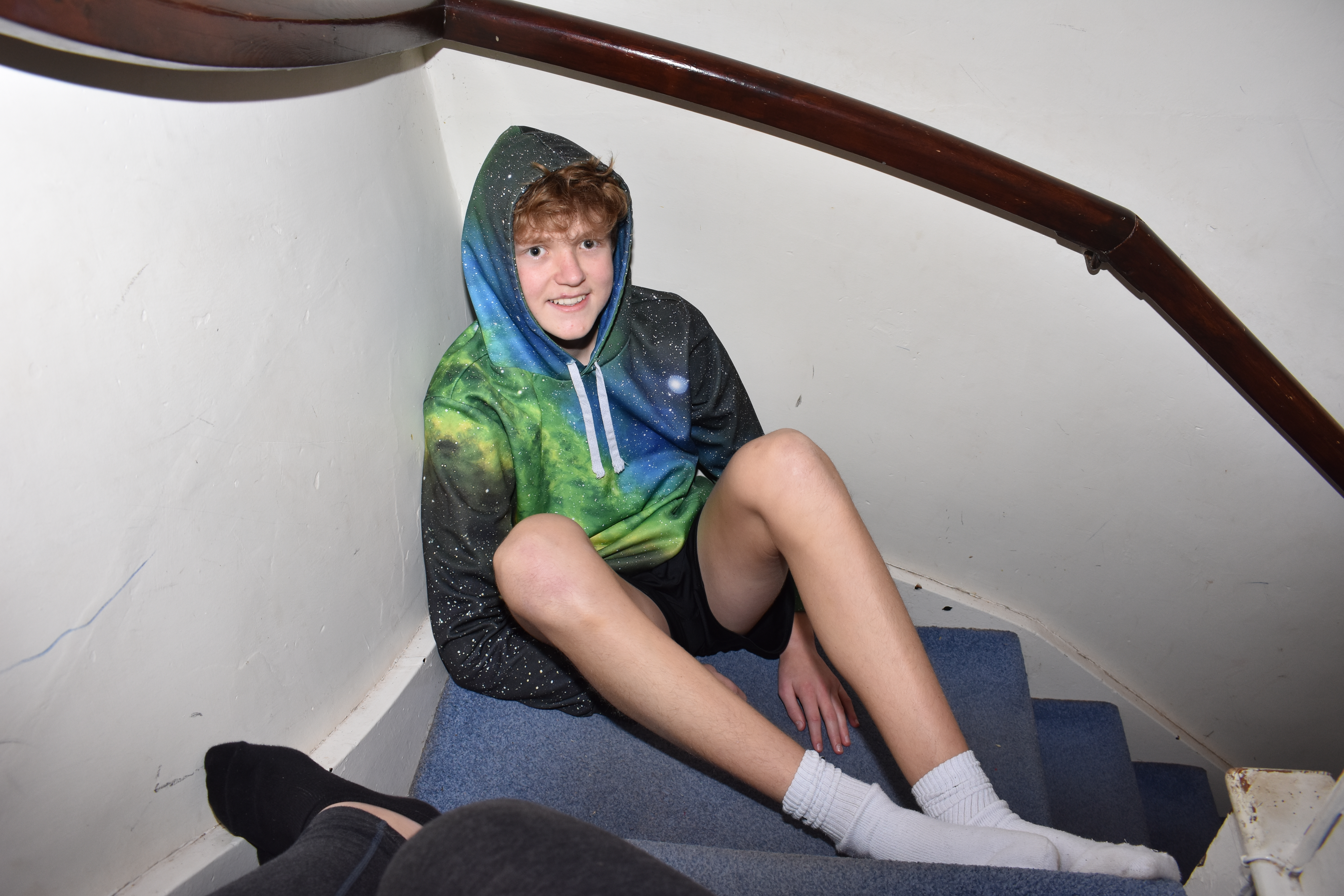
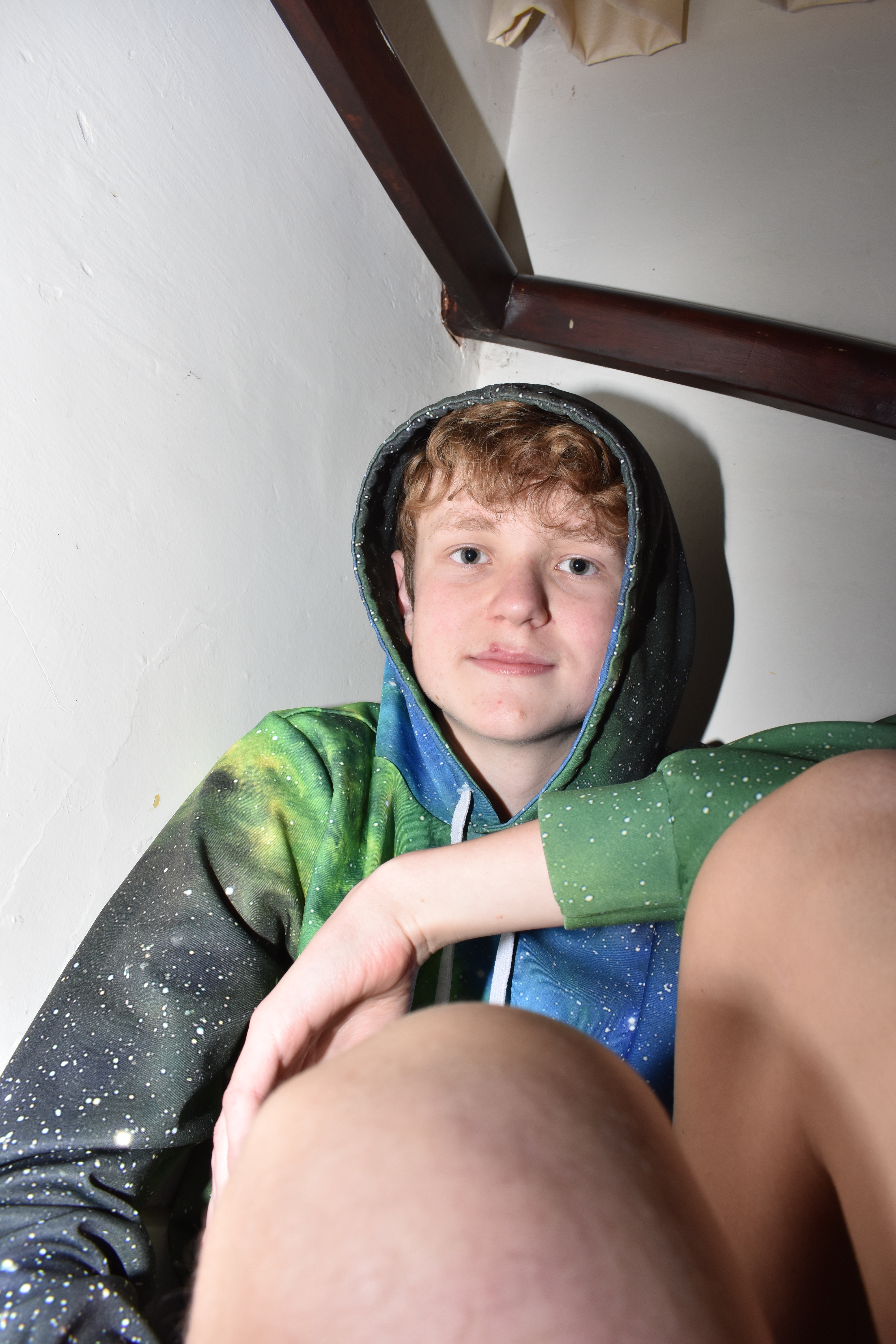
For these 2 photos I feel that they came out well as the individual in the photo isn’t over exposed and the contrast between the shadows and light looks really strong.
Shoot Indoors Using Bounced Flash, E-TTL:

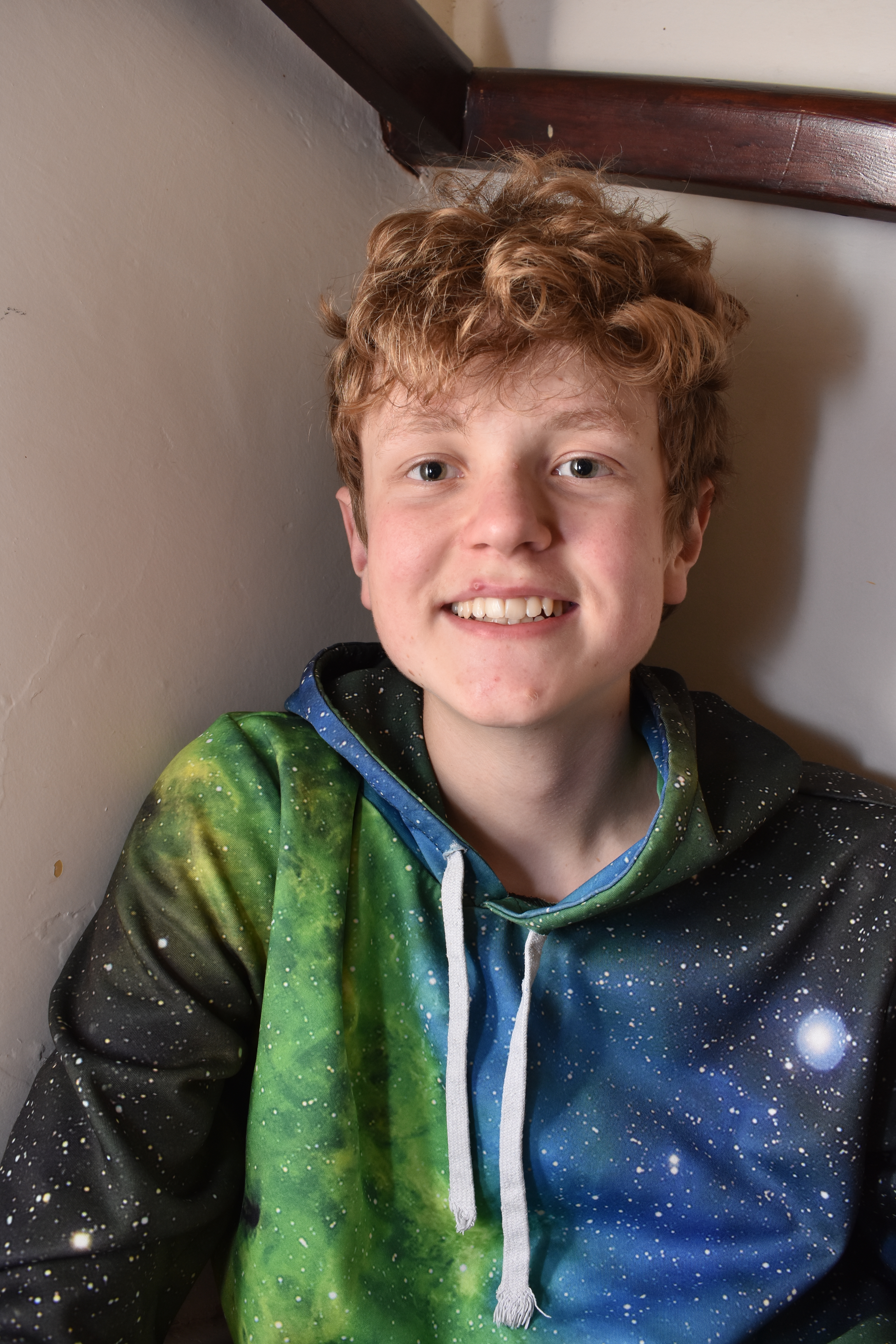
I feel that these photos came out really well as the lighting looks really soft in this photo and takes away the strong contrast unlike in the other 2 photos.
Shoot Outside Direct Flash, E-TTL:
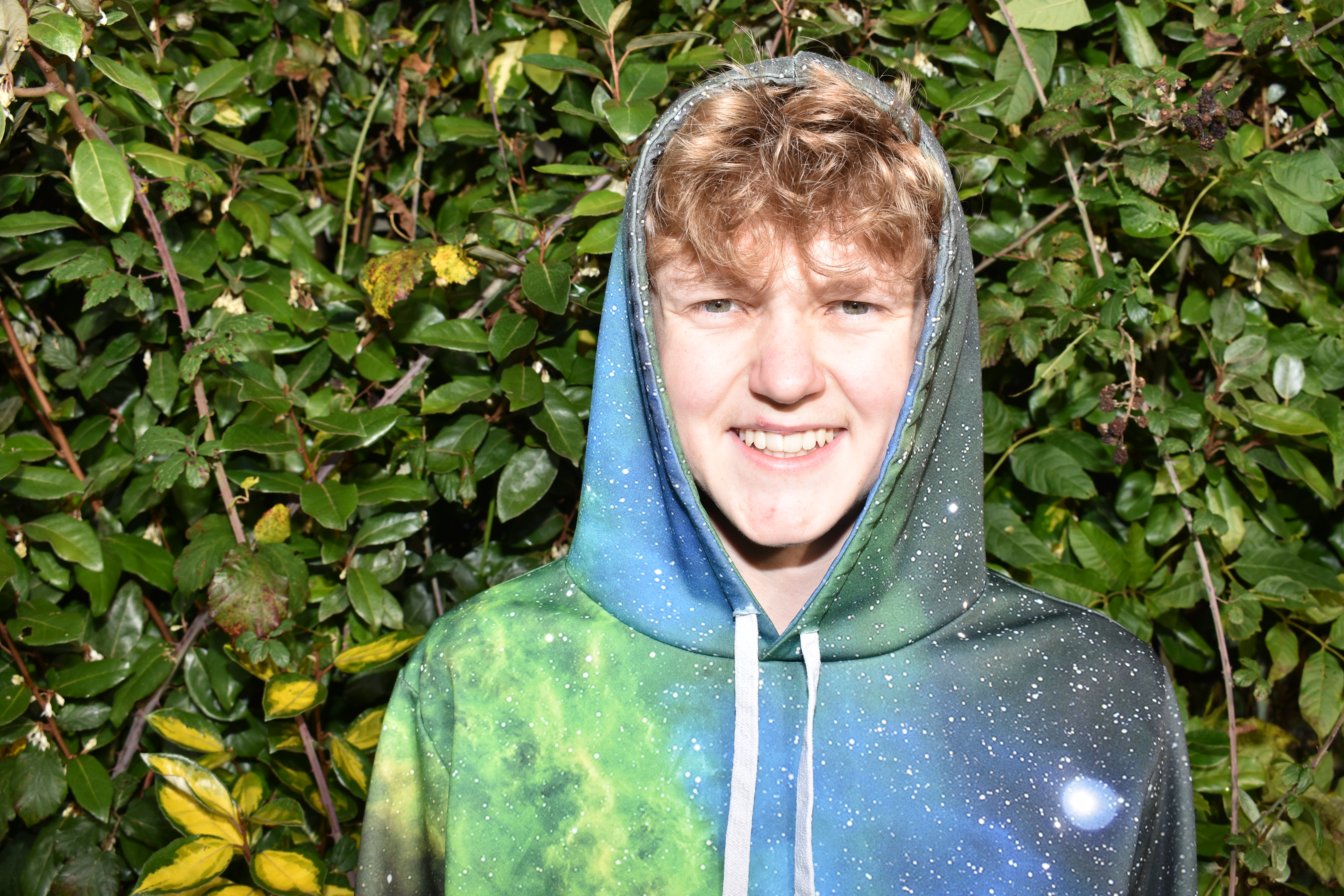

For these photos I feel that because it was lighter outside should have brought the brightness down of the flash which resulted in the overexposed image on the right.
Shoot Indoors Using Direct Flash, Manual:


I feel these images look really good and the high contrast between the shadows and the highlights makes the images good.
Shoot Indoors Using Bounced Flash, Manual:

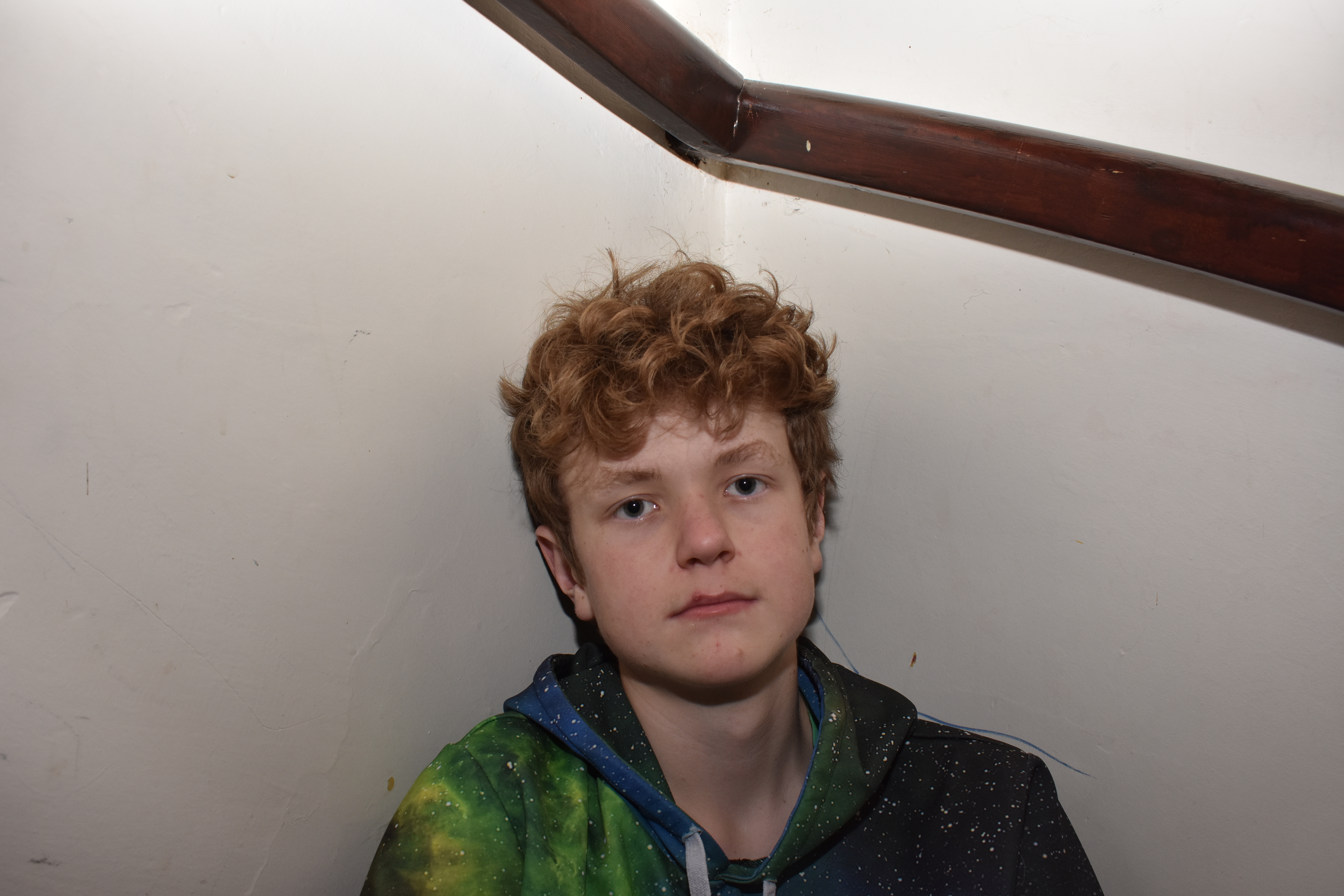
These 2 image came out really well and I feel that the use of bounce fast makes the individuals skin look more softer unlike with the 2 above.
Shoot Outdoors Using Direct Flash, Manual:
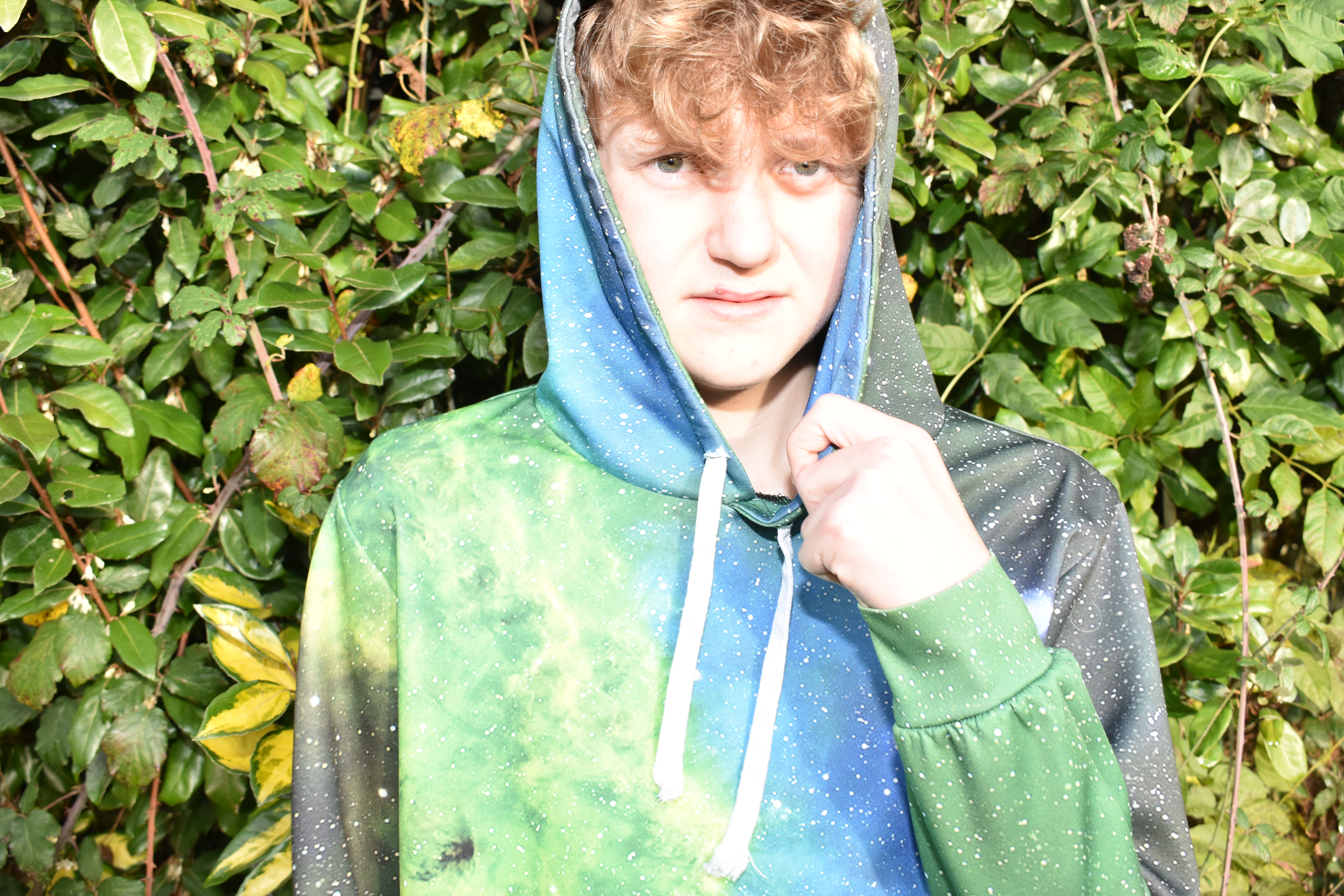

In these photos I made the flash too strong resulting in the over exposed image on the left but I feel that the one on the right came out really well.
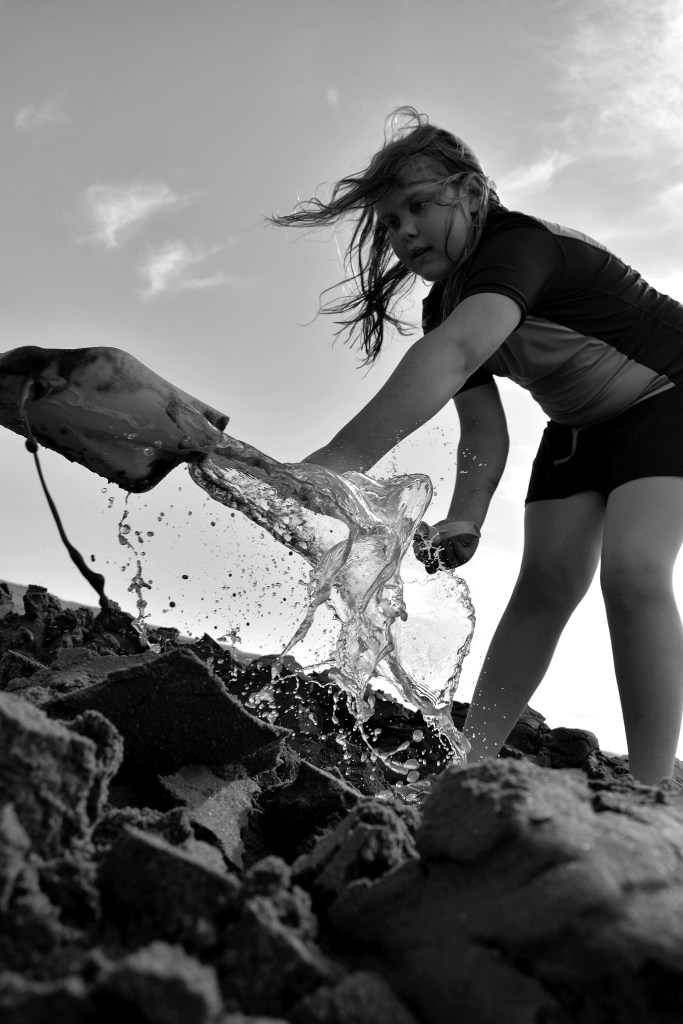
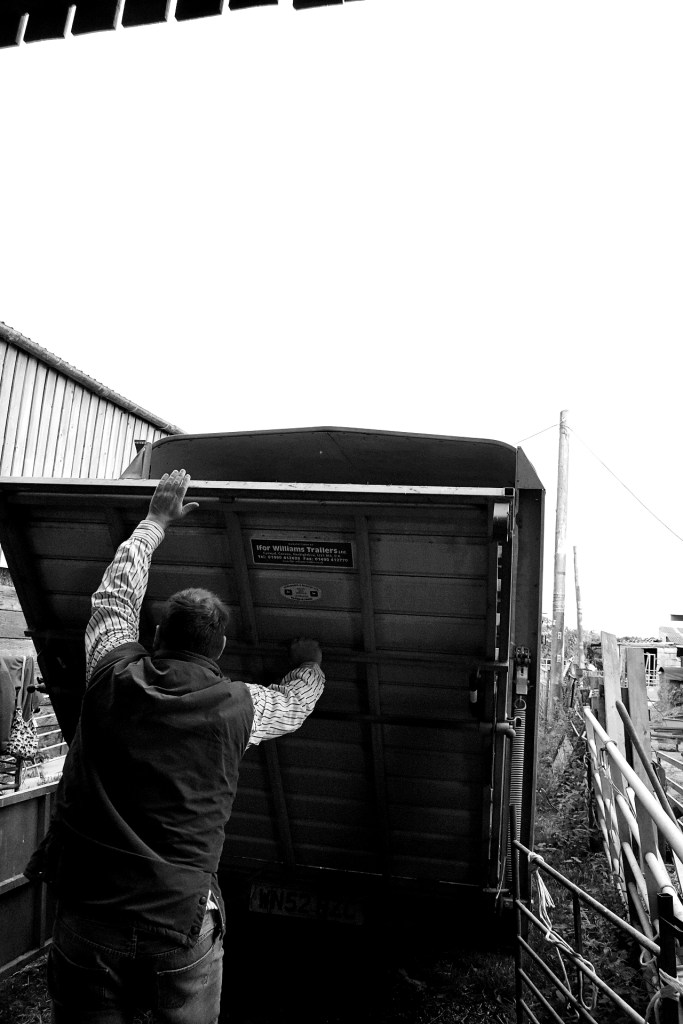
Week 3 Captioning and Copyright:
These are the 4 images that I gave captions and copyrighted


Week 4 Shoot Exercise:
For this shoot I had to have to take photographs that are:
- Using a appropriate shutter speed to stop movement
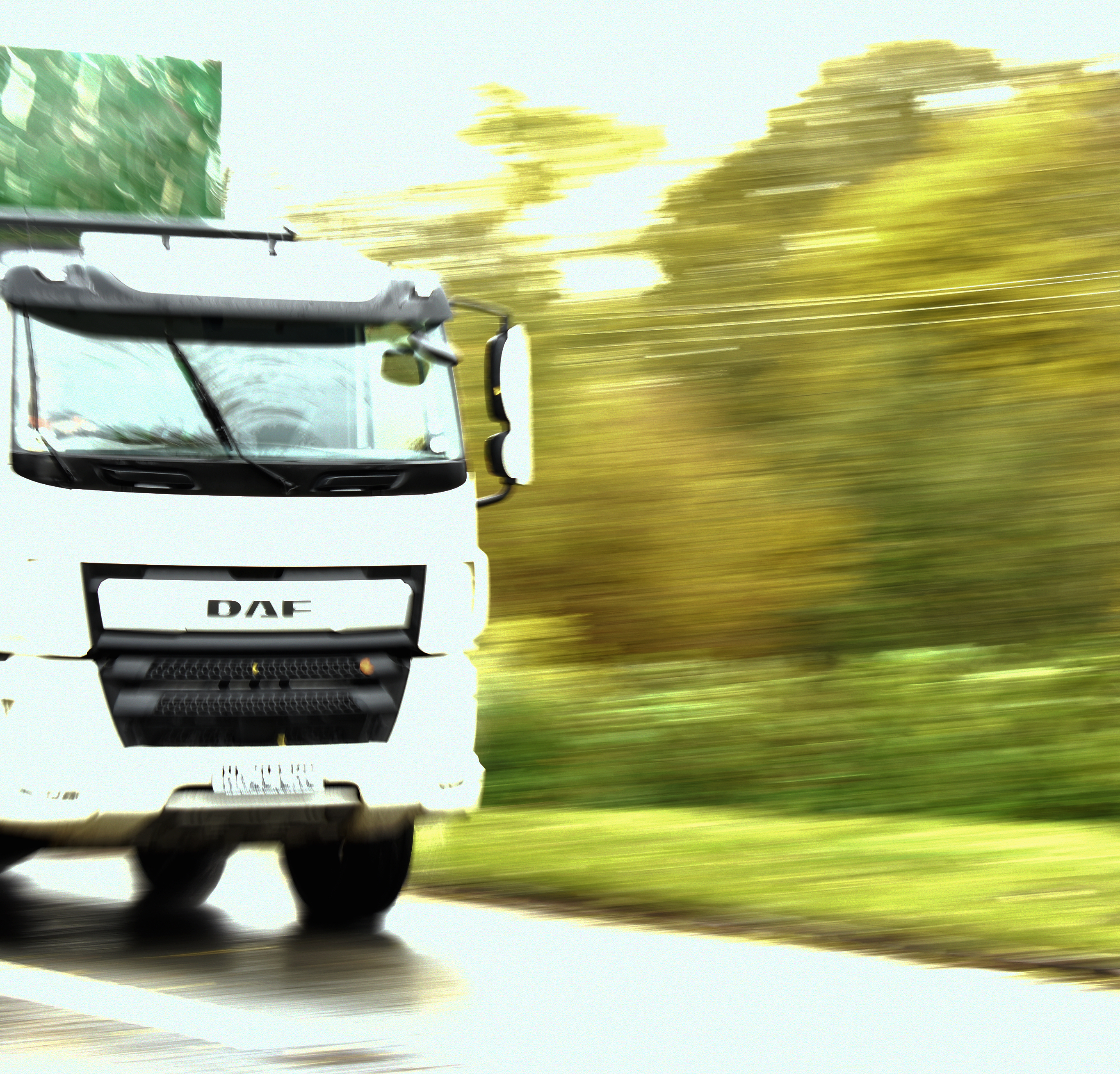
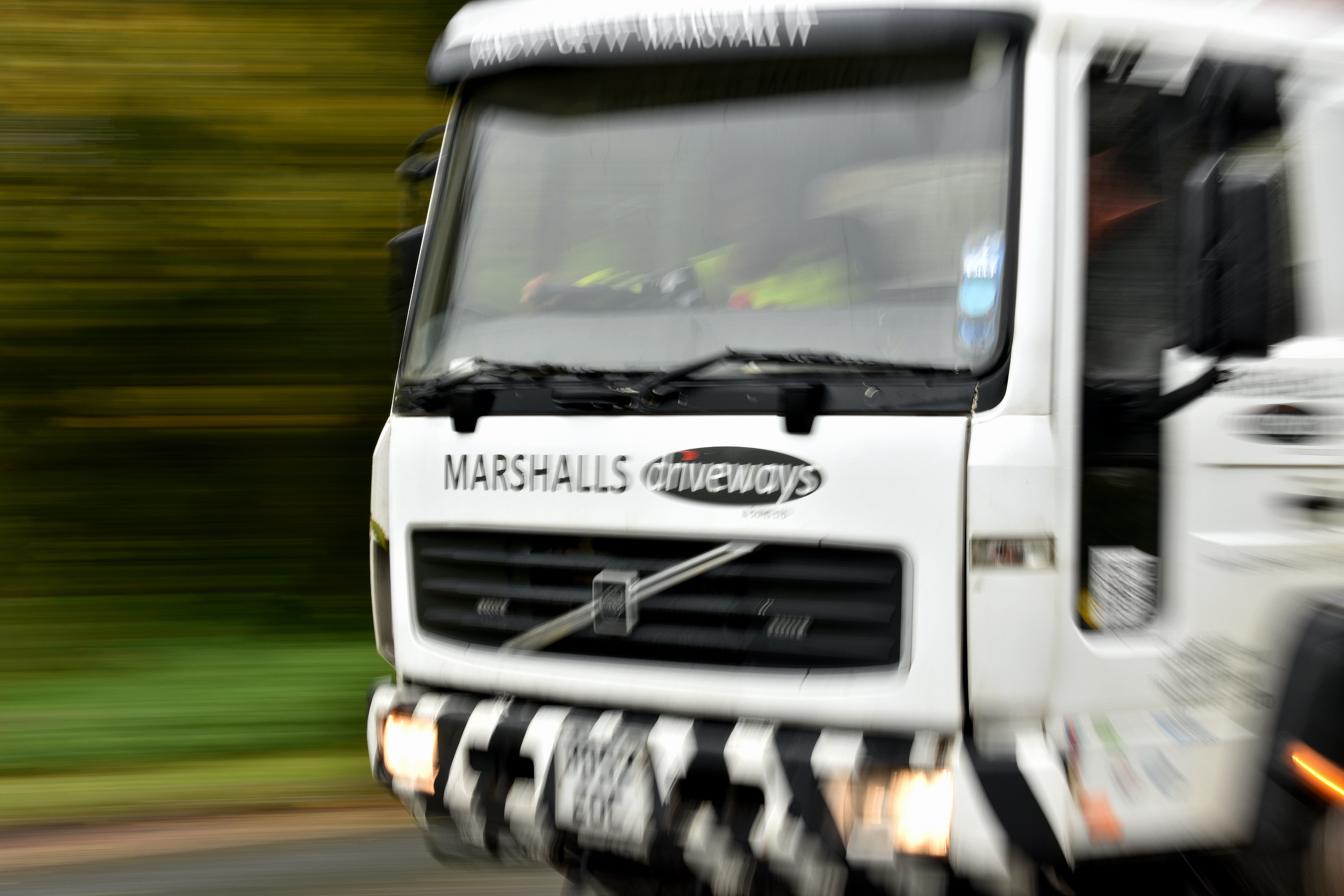
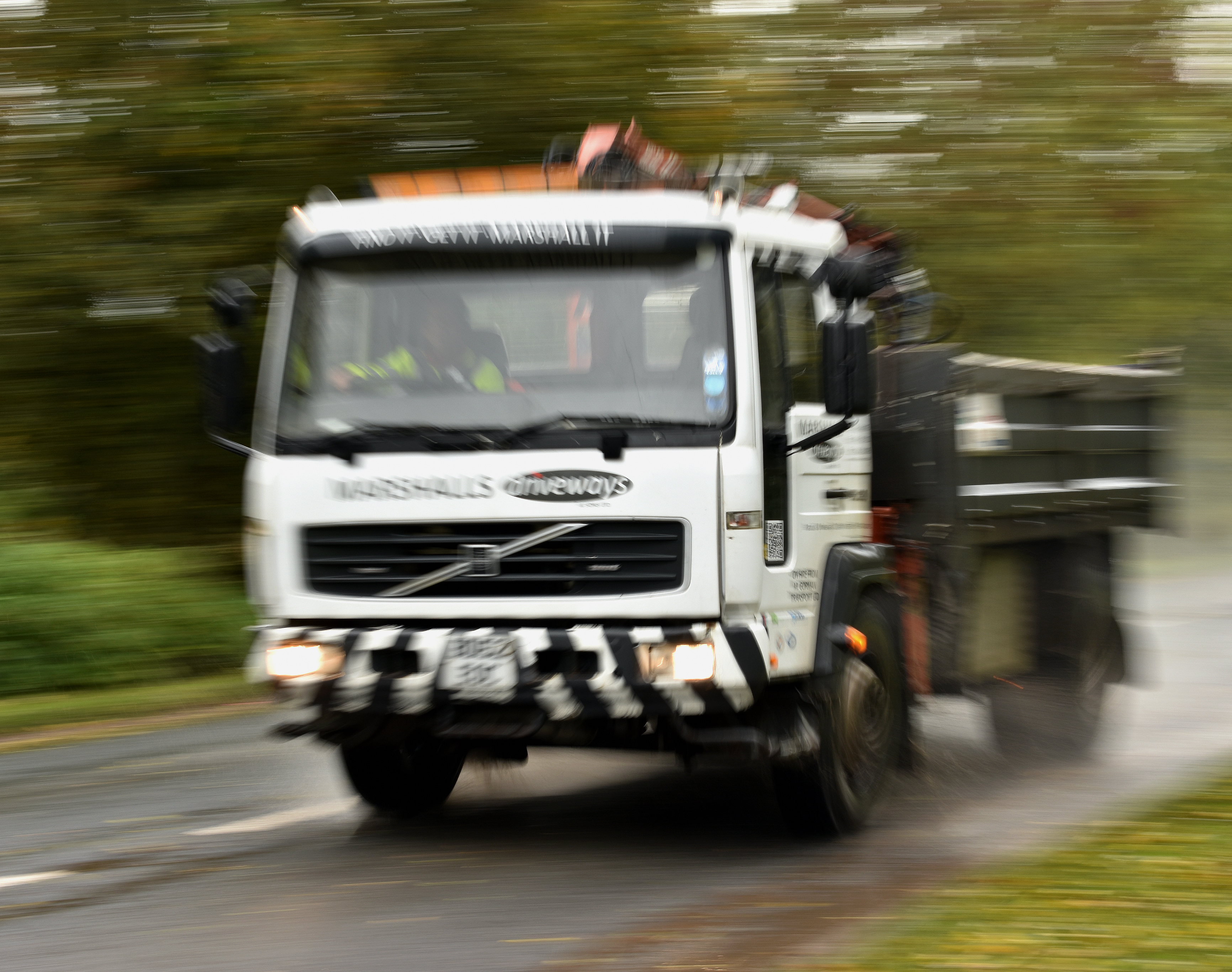
- Showing a pan at a shutter speed of 1/15th
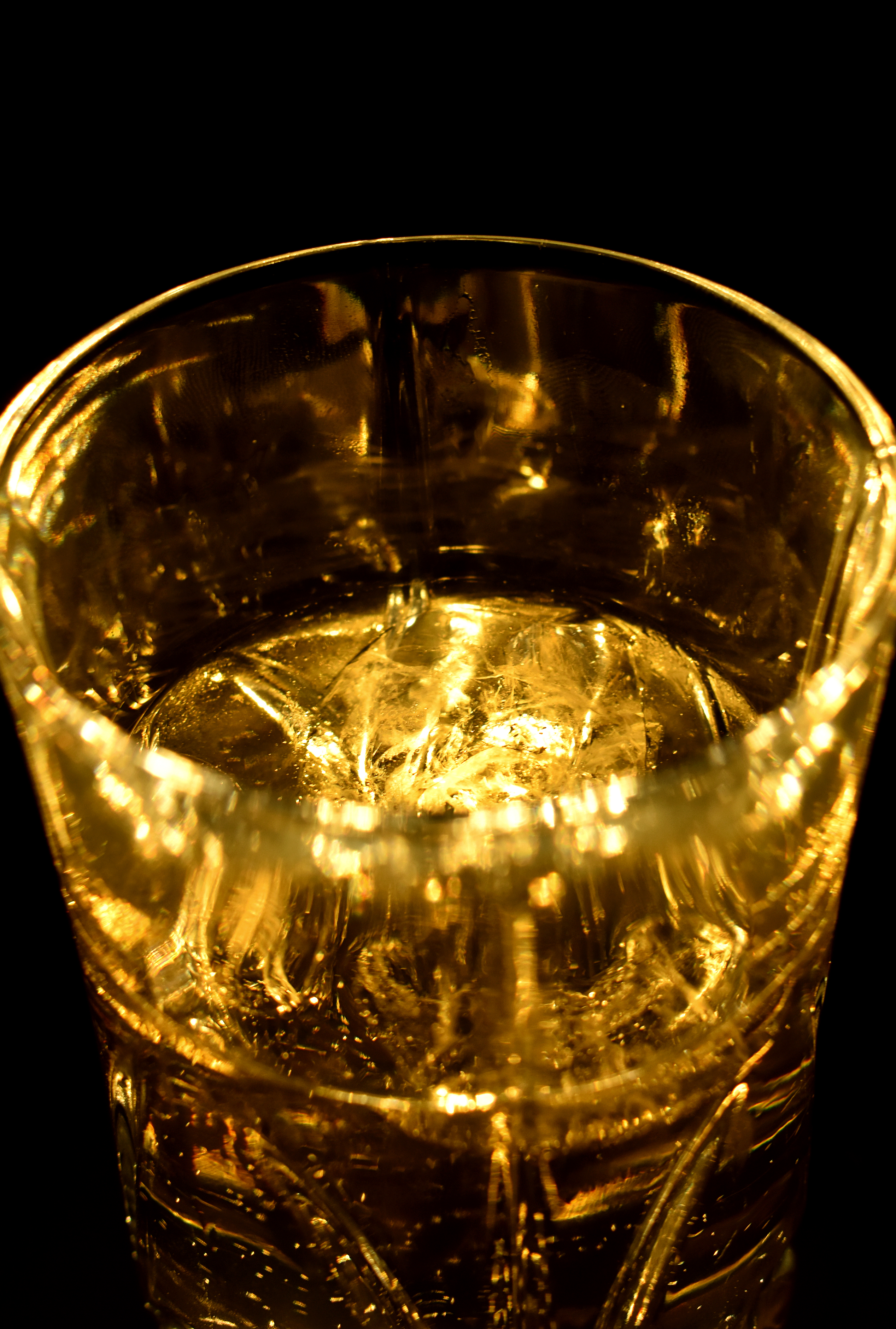
- Shoot an object at a very narrow depth of field bluring the background
- Shoot an image that is sharp from front to back
Using an Appropriate Shutter Speed:
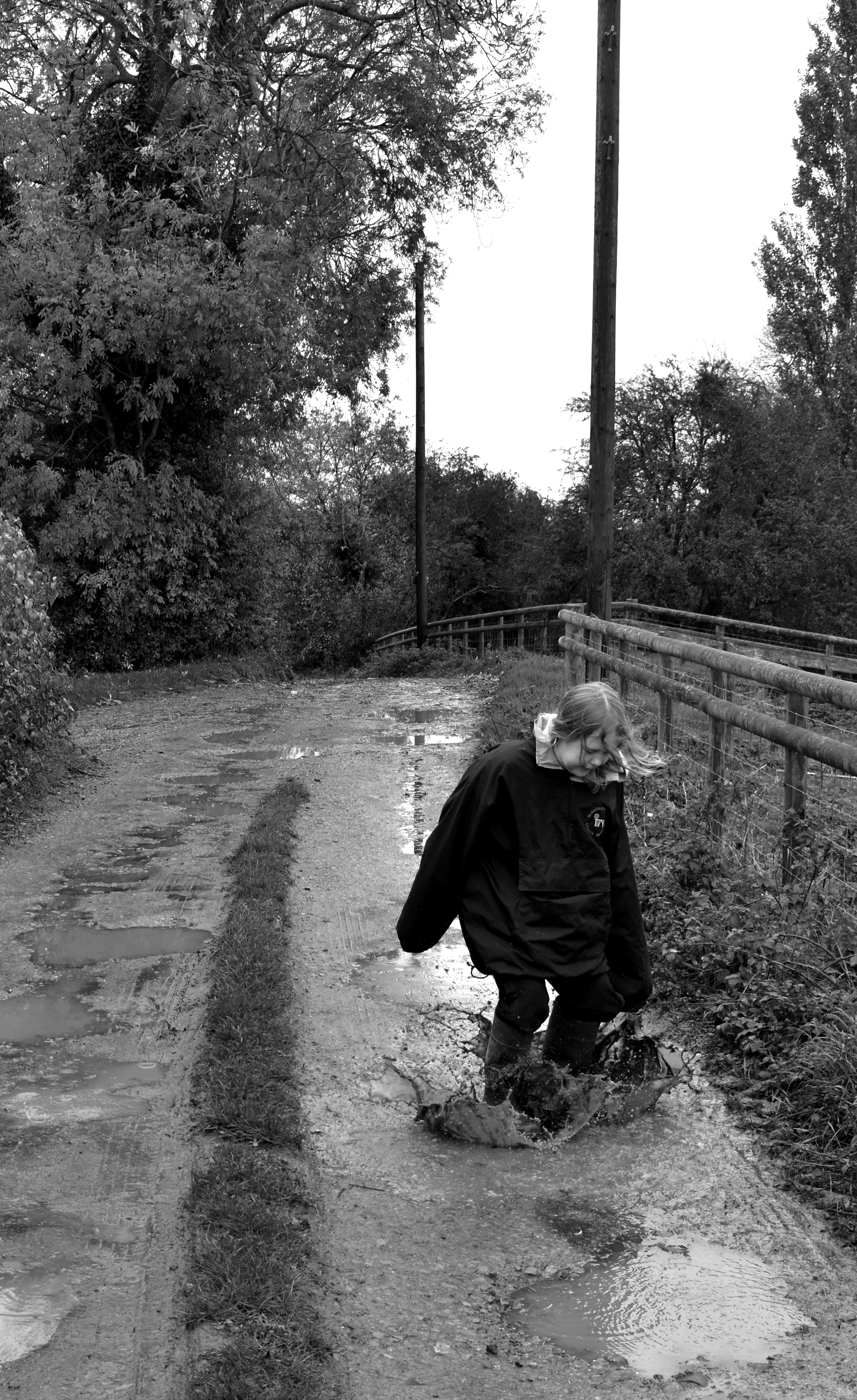
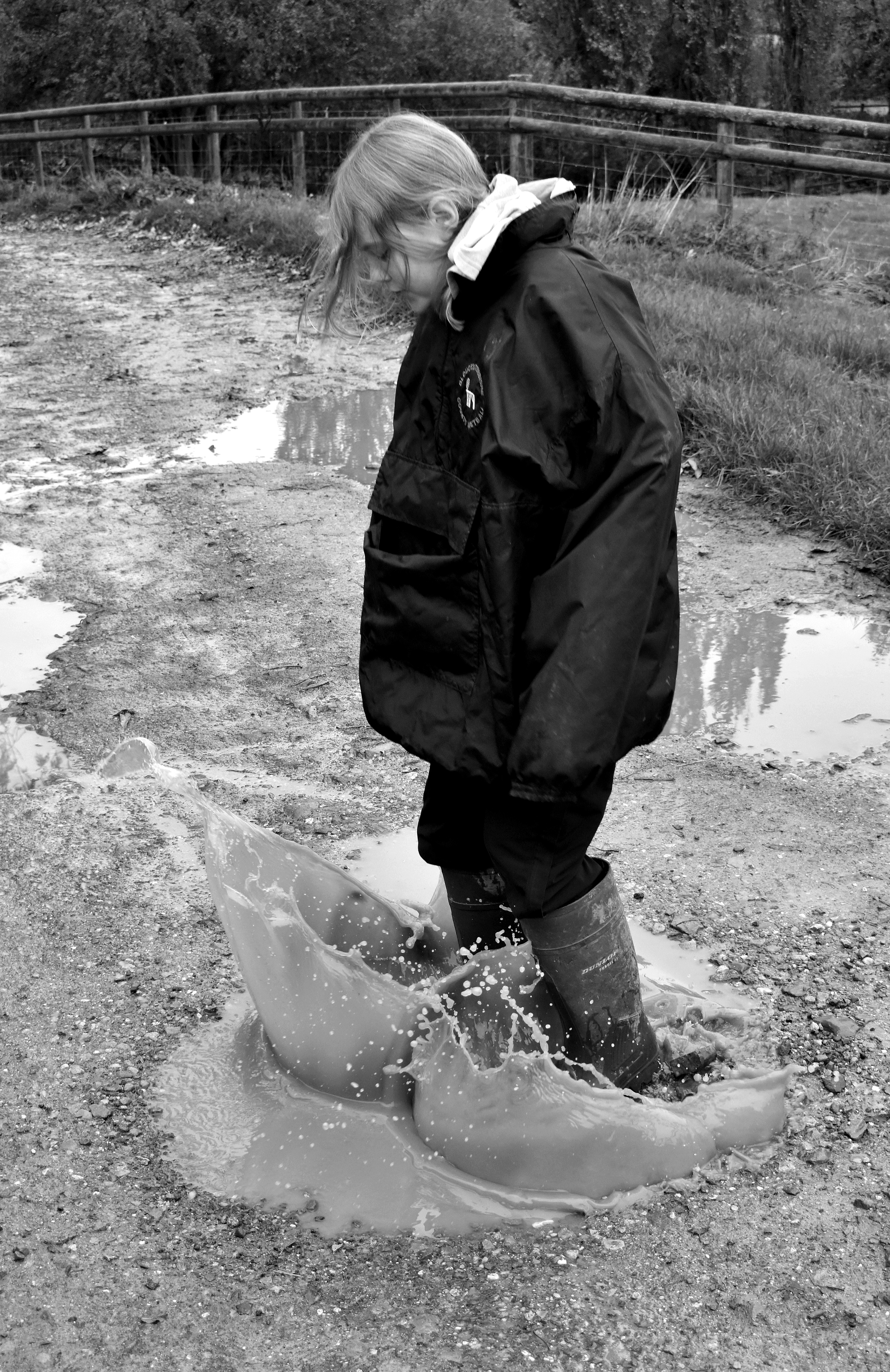
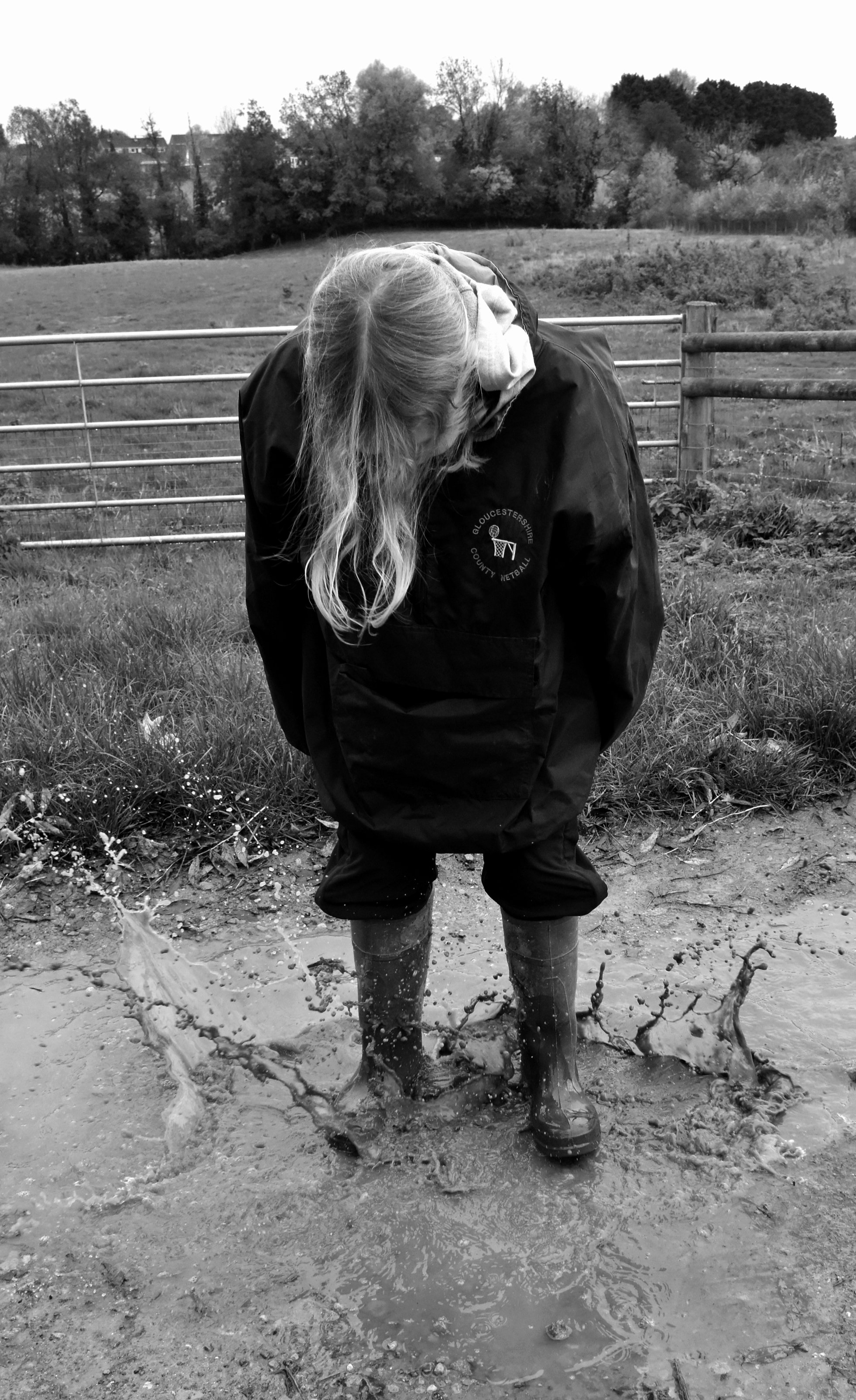
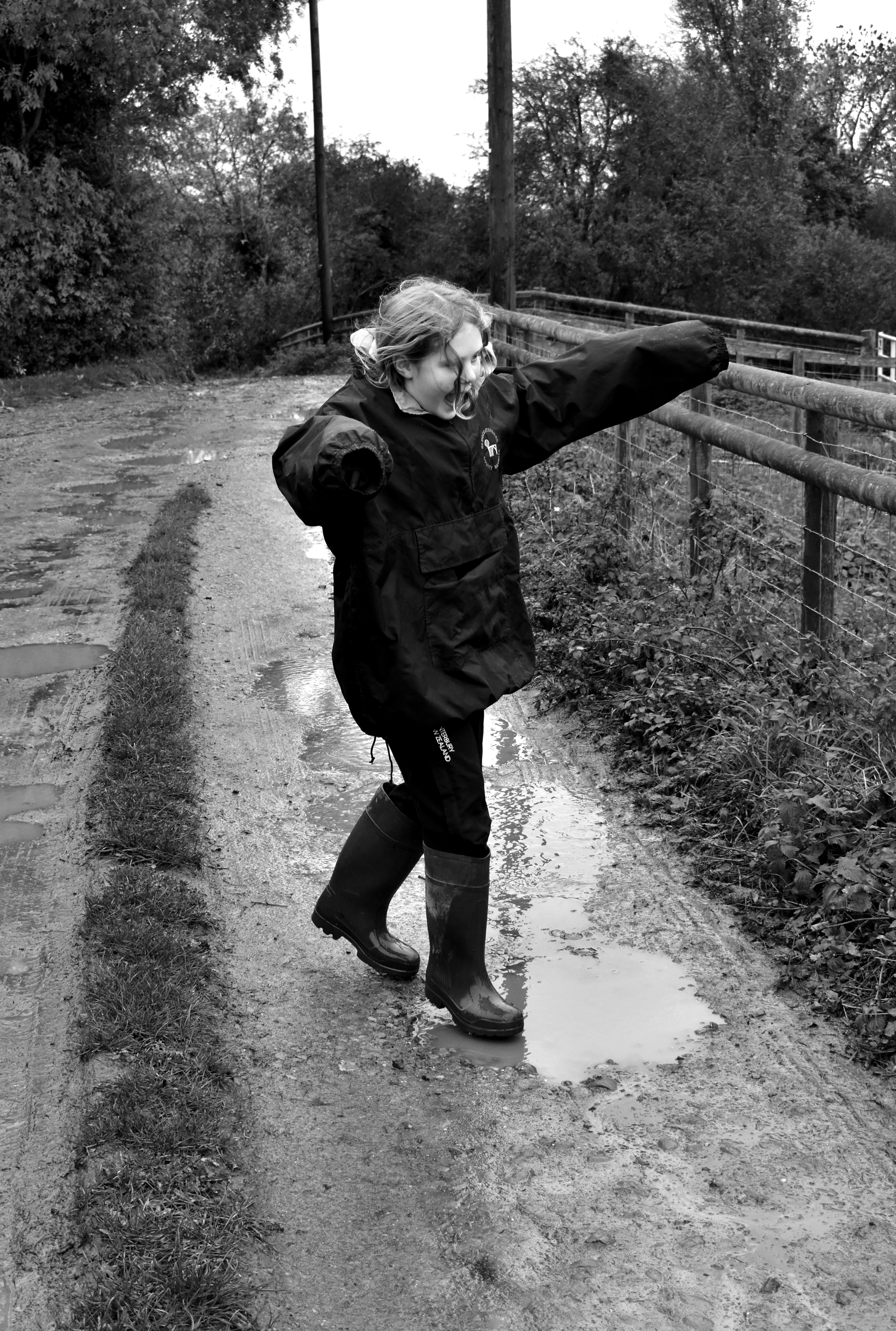
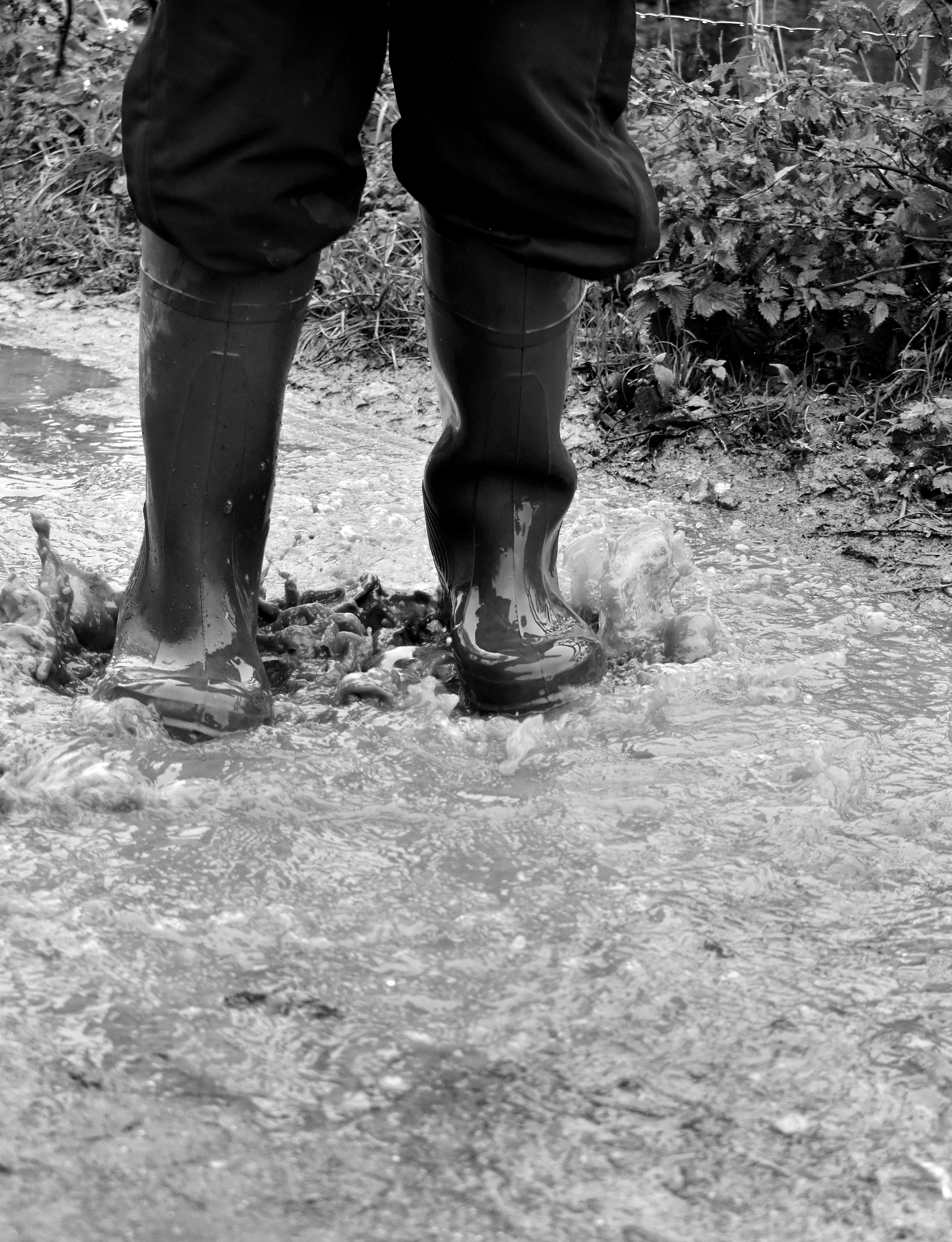
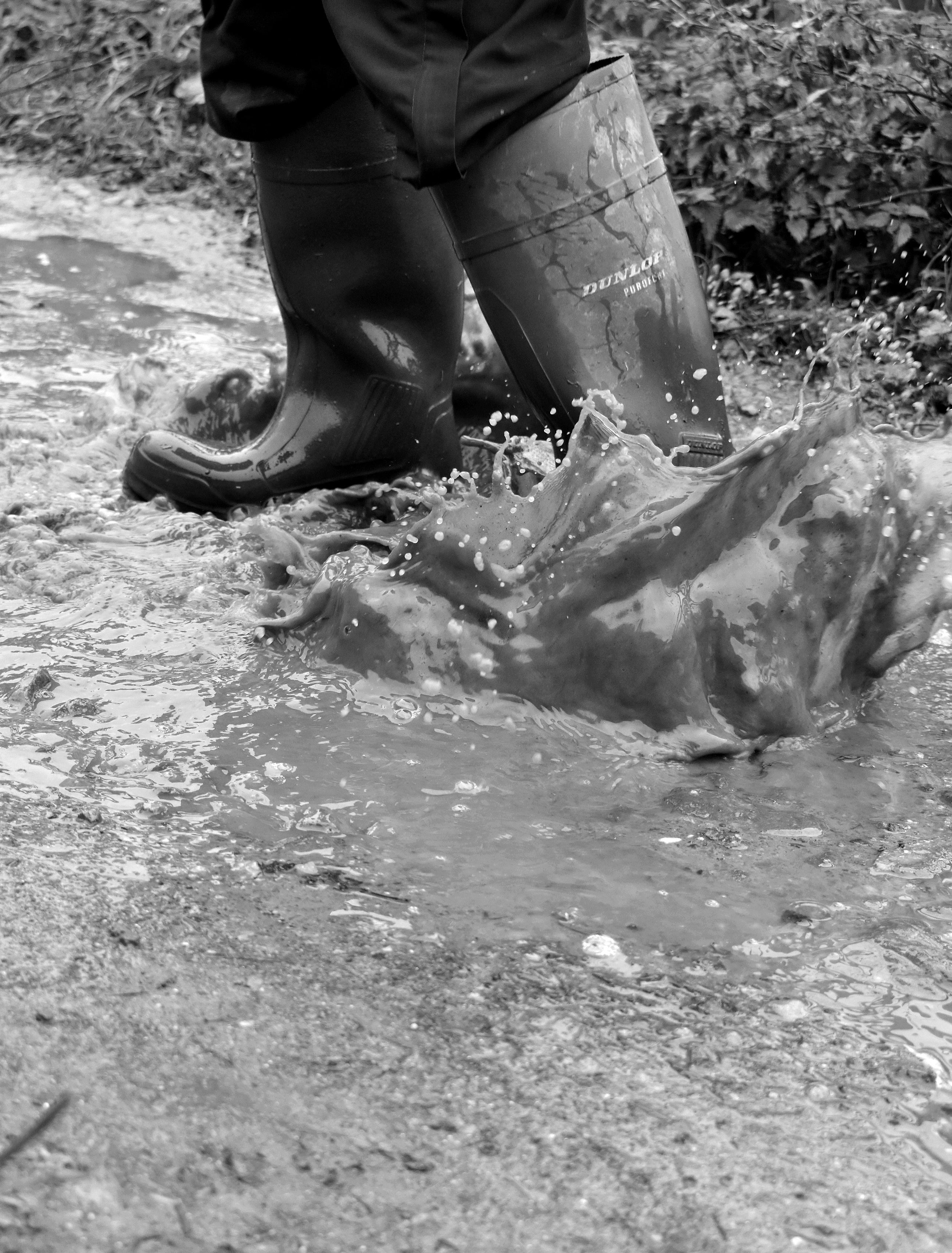
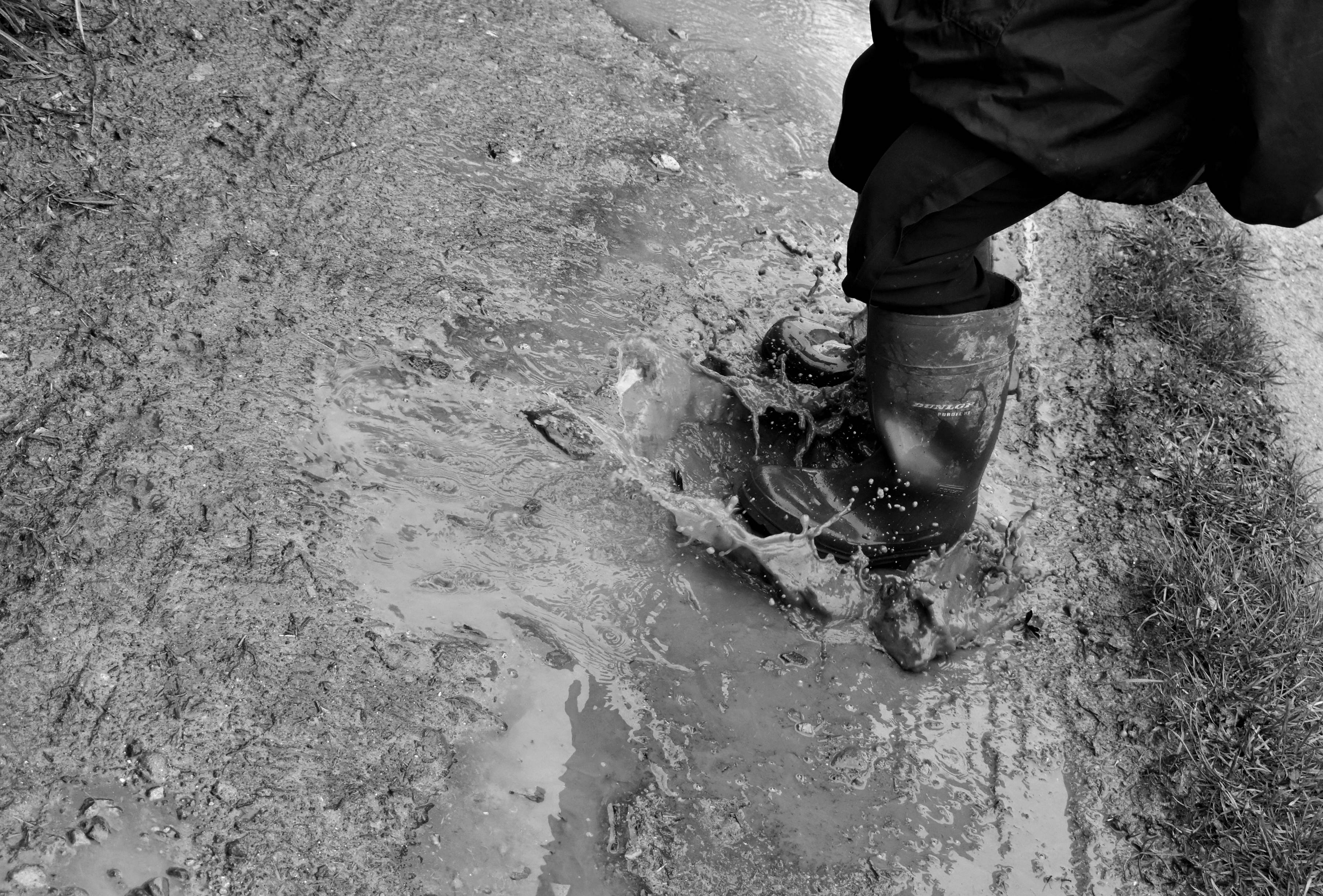
In this shoot I got my sister to jump into muddy puddles that are along my drive. I used a shutter speed of 1/500fps so I could capture my sister and the water without blurred motion.




Panning:
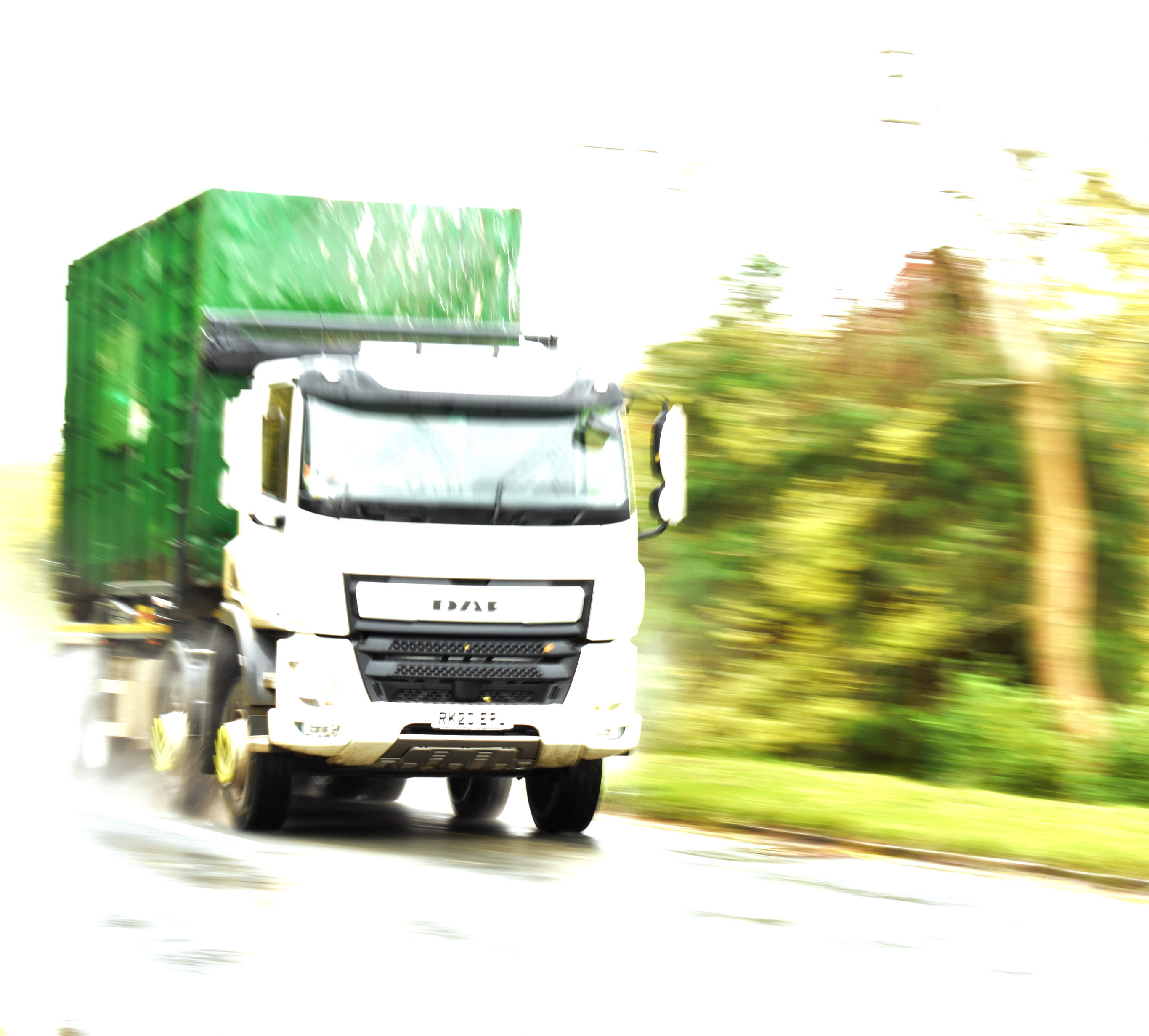
In this shoot I went out on to my drive and took pictures of the cars and lorries passing by. At first the ISO was too high and made it overexposed so I moved it down and it looks a lot better. They are not great but I think that is is very hard to get a really good pan of cars


Narrow Depth of Field:
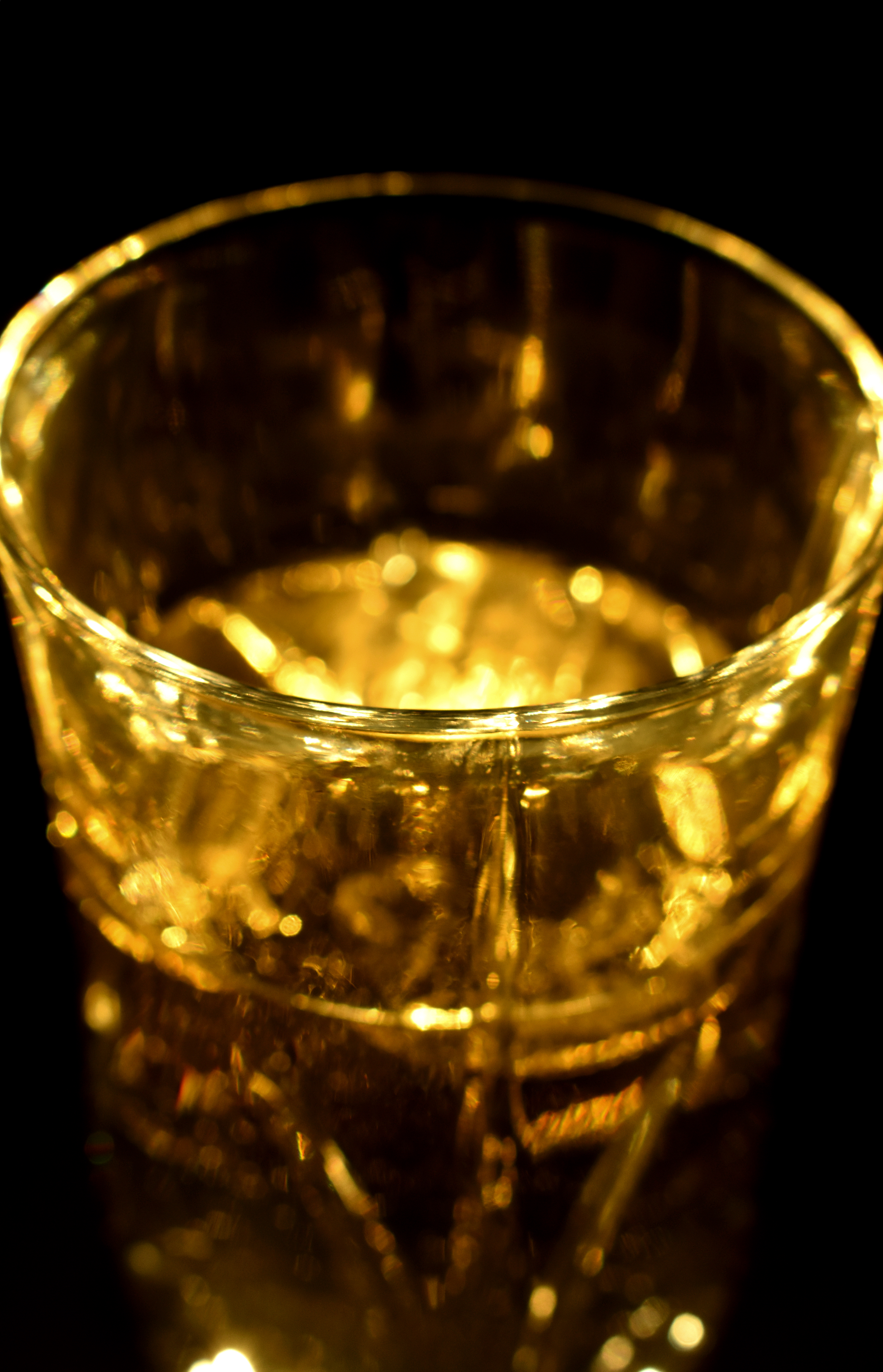
In this shoot I have an object with a very low depth of field blurring things in the foreground and the background. I took these images with narrow depth of field so when looking into the glass at the drink and ice cube the glass itself wasn’t in focus and also the bubbles in the background.

Sharp from Back to Front:
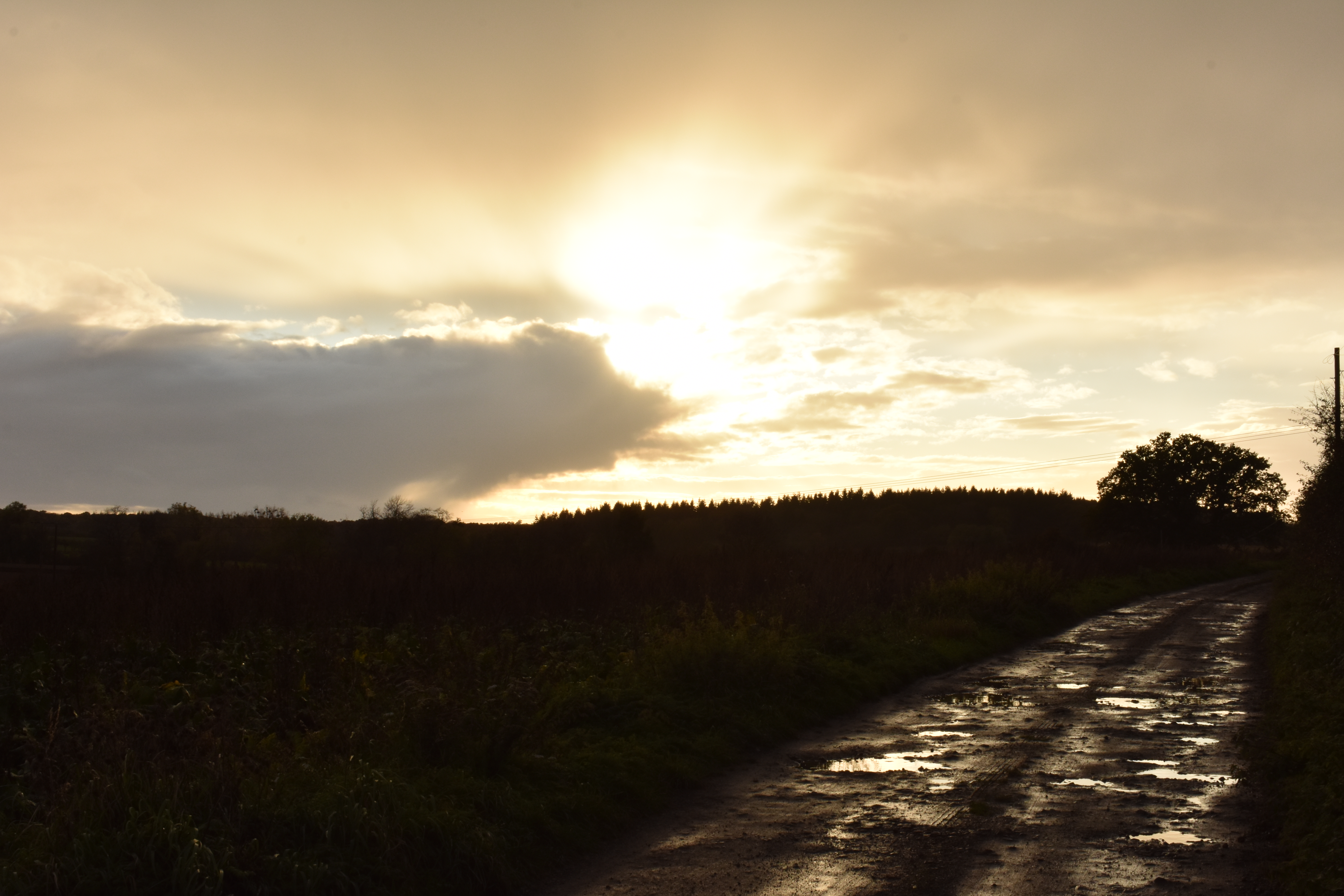
These images I also took on my drive but I took them of the sun setting I am not very good at doing landscape pictures but if feel that they are okay. I also took some pictures of the trees down my drive against a very dark cloud that came over our house. I under exposed for one of them unintentionally but I feel that it looks kind a cool.



Week 5 Ethicals in Photojournalism Research:
Photos Examples Where There is an Ethical Debate:
- Find four examples of images, in Photojournalism and Documentary Photography where there exists an ethical debate. Discuss the images in your blog, what you would have done and why the photographer may have taken the decision that they did.
Kevin Carter 1993 in Sudan:
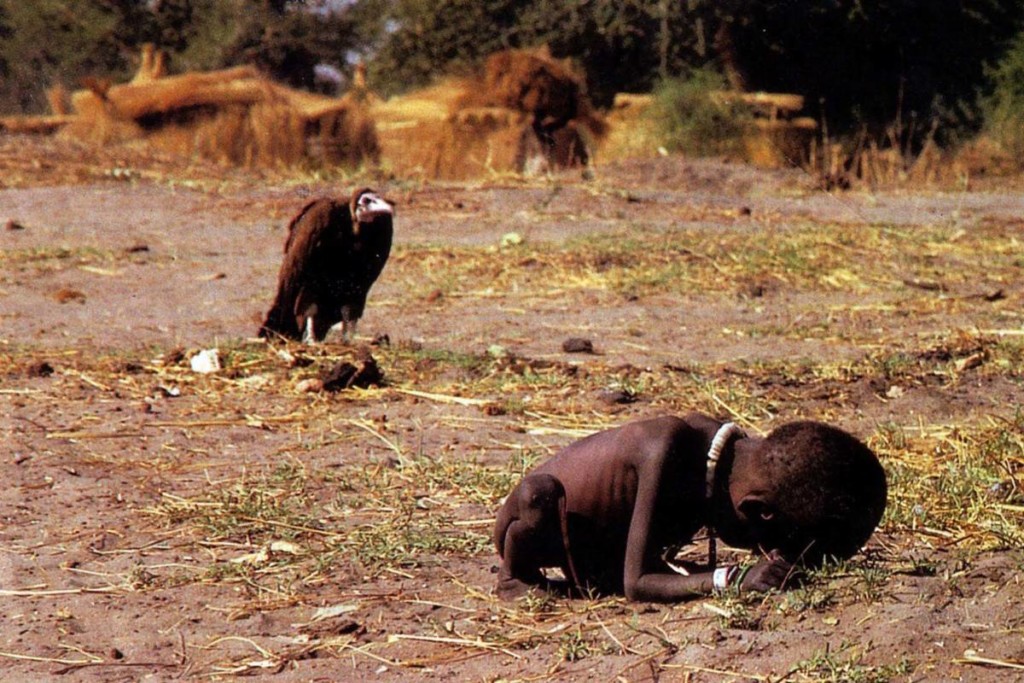
One of the most famous pictures with a huge ethical debate as the photographer was told to leave the child during the famine in Sudan and let him stay there as the charity didn’t have enough funds for helping this child. This photograph was taken by ‘Kevin Carter in 1993 in Sudan’3 it got a lot of press and ended up bring so much awareness to the charity making them raise a load of money for the charity. I feel that he made these decisions because there was nothing he could have done as the charity would have not helped the child and he had no resources in order to help the child. If I were in Kevin’s shoes I feel that I would have done the same even though I would have felt so bad for not helping out the child and it would feel so heart breaking he had nothing to offer to the child and the charity wasn’t going to do anything because of lack of funding.
James Nachtwey, Afghanistan

This photograph taken by James Nachtwey in Afghanistan is very sad picture of the wars going on in Afghanistan and how grief is a big part of pain that stems from wars. In photojournalism there is a big debate whether taking pictures of people in grief is breaking their privacy and isn’t ver ethical. I feel that James made this decision to take these pictures as it shows a part of war that a lot of people kind of forget about. and I feel I would have done the same but I would have made sure that the individual would have space and would have taken the image at a distance to respect them while they grieve.
Eddie Adams “Saigon Execution” South Vietnam

This photograph is a very famous photograph which was taken by Eddie Adams in South Vietnam during the war in Vietnam in 1968. One of the main debates in photojournalism with war photography is should the photographer have intervened. I feel that Eddie did what he did and taking this photograph instead of intervening as he felt that he wasn’t the person to do that as there were people from the army around him and also he felt that he has to protect himself as well. If I were Eddie I would have done the same thing and just taken the picture to document the moment.
Ted Jackson Hurricane Katrina

I feel that Ted this photo because he felt that is showing the true deviation that the hurricane caused to everyone in New Orleans. If I were in the photographer shoes I would have taken the photograph and made sure that the lady was alright.
Bibliography:
URL Links:
- http://all-that-is-interesting.com/saigon-execution
- https://photophilanthropy.wordpress.com/category/ethical-questions-in-photography/
- https://petapixel.com/2017/04/03/the-ethics-of-photojournalism/
- https://abcnews.go.com/US/photos/hurricane-katrina-10-years-orleans-photojournalist-tells-story-32718088/image-32718174
IPOS Code of Practice:
- Look at the IPSO code of practice, in particular the section ‘public interest’ and discuss examples of two images that you find that could be perceived as ‘public interest’
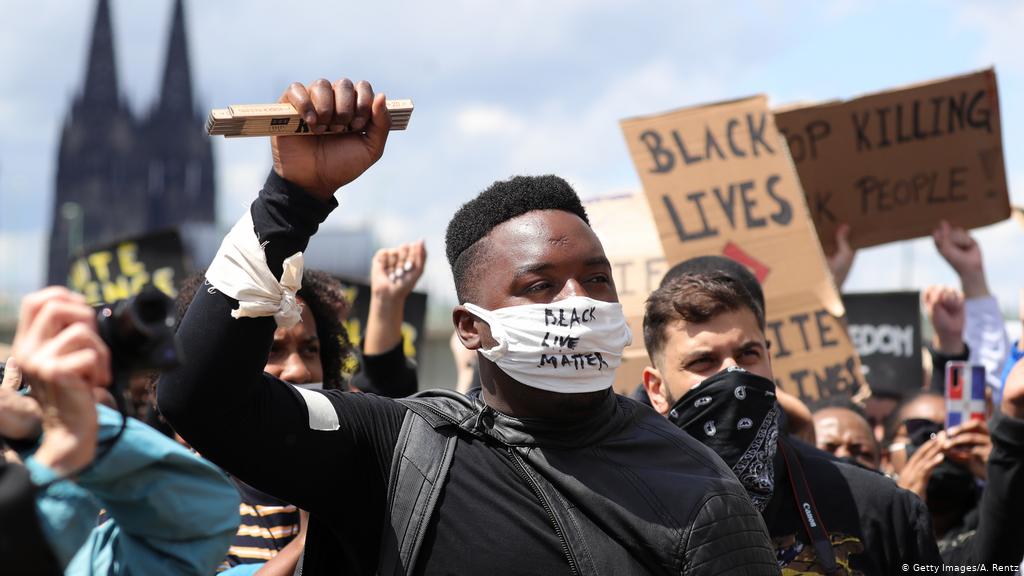
One of my examples is of the Black Lives Matter protesting in America. I feel that this is is a huge part of public interest as it is ‘Disclosing a miscarriage of justice’1 which has been done to so many black people as they have been wrongfully murdered or arrested just for being black. It also covers another point too ‘Raising or contributing to a matter of public debate, including serious cases of impropriety, unethical conduct or incompetence concerning the public’1. I feel that these 2 points are really strong for public interest and are in one of the most popular public of interest points that make an exception to the IPOS Code.
The other example is Covid-19. I feel that covid is a huge thing through-out the world as it has impacted so many lives which it is why it is so important for the media to share about. One of the IPOS Code points is ‘Protecting public health or safety’1 I feel that the point is very important especially in the times that we are in.

Bibliography:
URL Links:
- https://www.ipso.co.uk/editors-code-of-practice/
- https://www.dw.com/en/opinion-black-lives-matter-protests-are-not-enough-for-long-term-results/a-53969350
- https://www.aa.com.tr/en/latest-on-coronavirus-outbreak/-covid-19-risks-kids-health-development-protection-/1913419
Week 6 Shoot Exercise, Photoshop Exercise:
- Image shot outside in daylight on an overcast day. Adjusted using curves (adjustment layer) to reveal shadow area and balance sky suitable for publication.
- Image shot under tungsten light. Adjusted using levels (adjustment layer) eyedropper tool to correct white balance
- Portrait shot on sunny day. Adjusted using curves (adjustment layer) to compensate for highlights on face and clothing.
- Image shot on overcast day (can use same image as 1) using shadow/ highlight controller to reveal shadow area and balance sky suitable for publication
Portrait shot on sunny day:
The first image is the edited one and the second is the original. In this photo I took a while back where I didn’t fully understand how to use ISO correctly and had it on auto making it way to high and shot into the sun light which is why it is so over exposed. So adjusting the shadows and highlight became very tricky to make right. I do feel that adjusting the shadows made the portrait better as you can see my dad more clearly in the image and he stands out from the background.

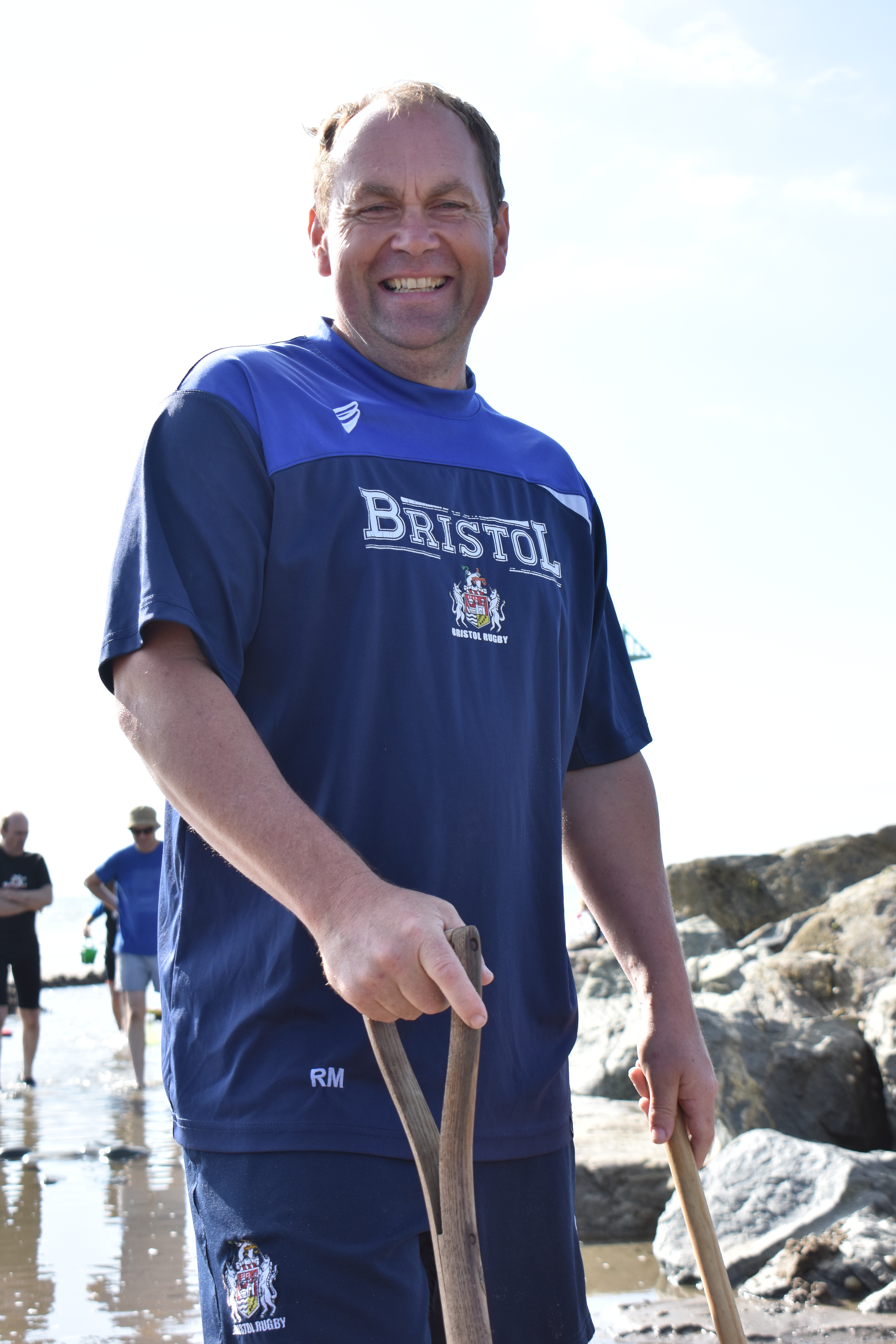
Outside in daylight on an overcast day:
The first image is the edited and the second is the original image. I feel the same thing happened to this image with the ISO which is why the highlights on the skin are so strong and over exposed. I also feel that the skins shadowing looks a lot better in the original than in the second and I feel that I went too far with shadowing; but I do like how the clothing is darker in the edited one.

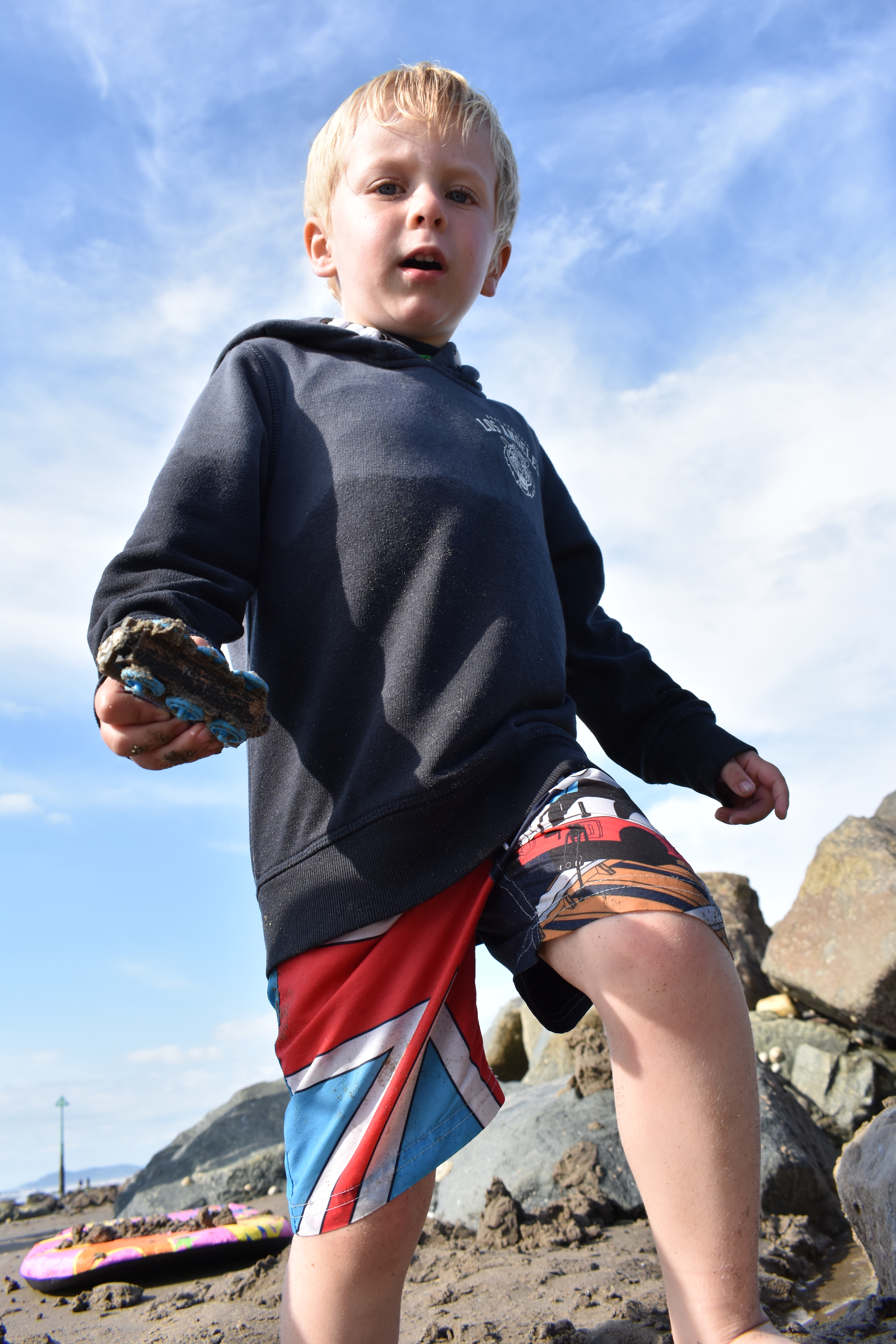
Image shot under tungsten light:
The first image is the edited and the second is the original image. I feel that there isn’t much difference between the images but with the difference that is there it makes the edited image more stronger as the person stands out more from the background.


Image shot on overcast day:
The image on the left is the edited one and the one on the right is the original image. I feel that these images they are just like the previous images as there isn’t much difference between them and also because I had no idea how to use ISO correctly and the exposure is really over powering in these images.
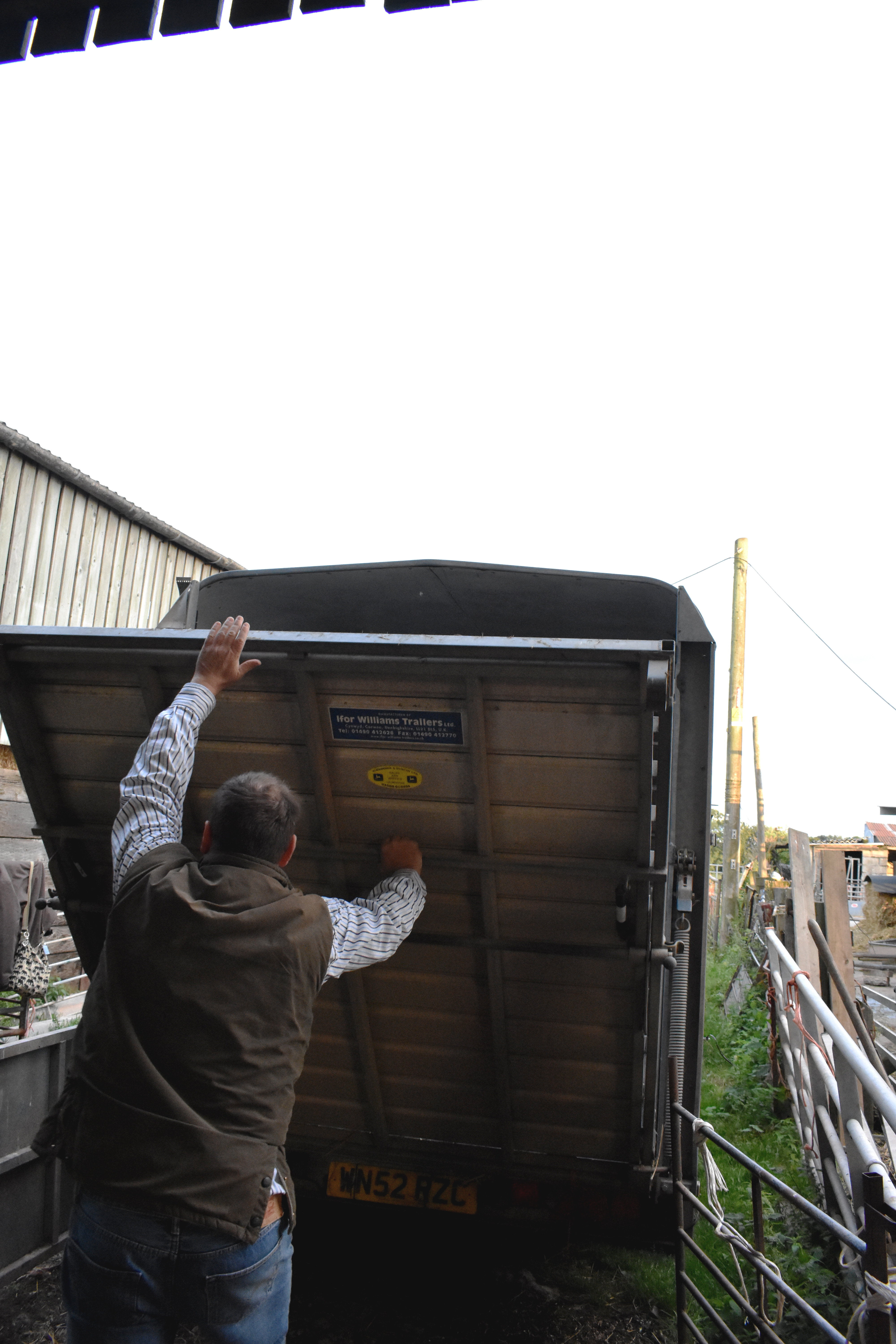
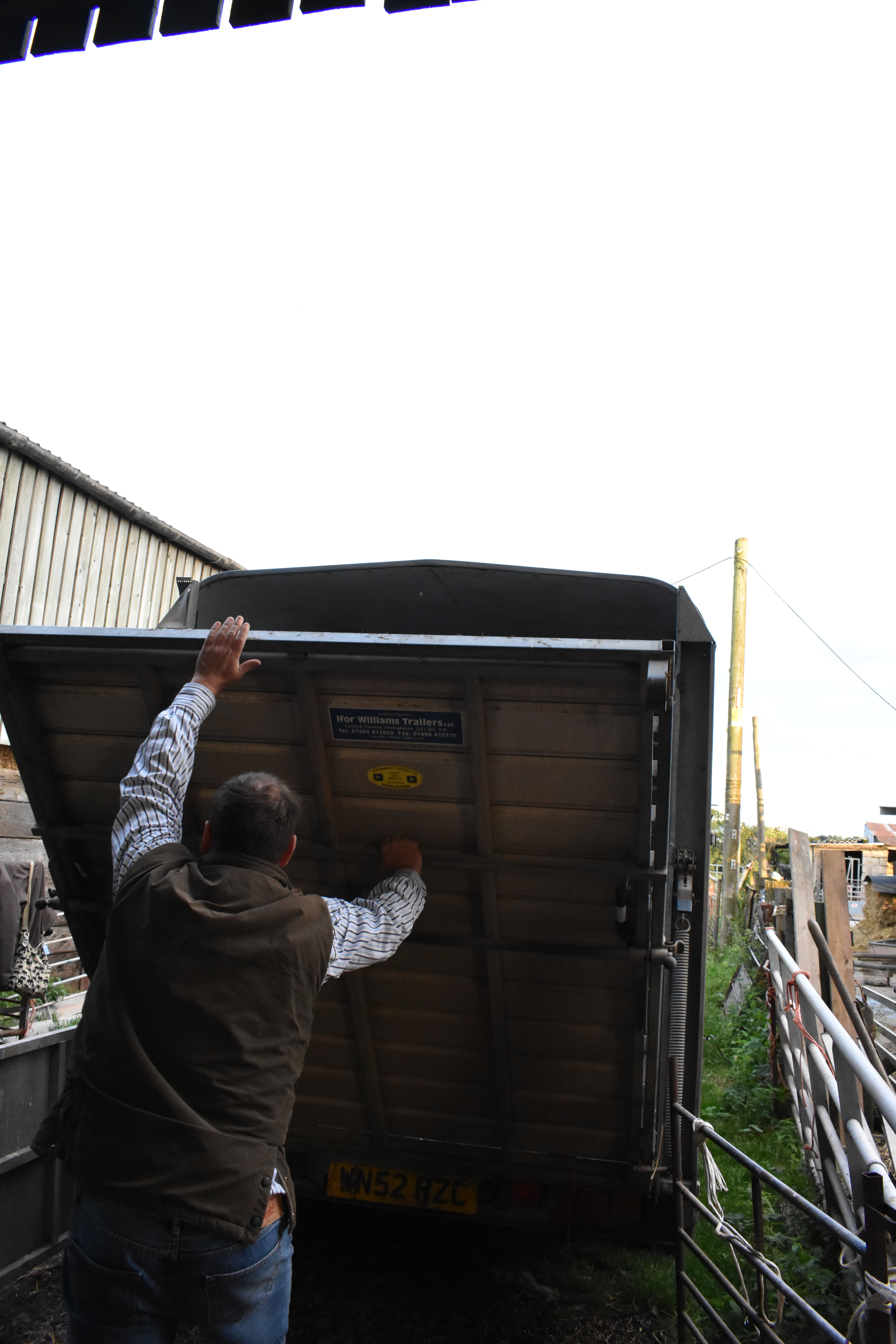
Week 7 Photoshop Actions:
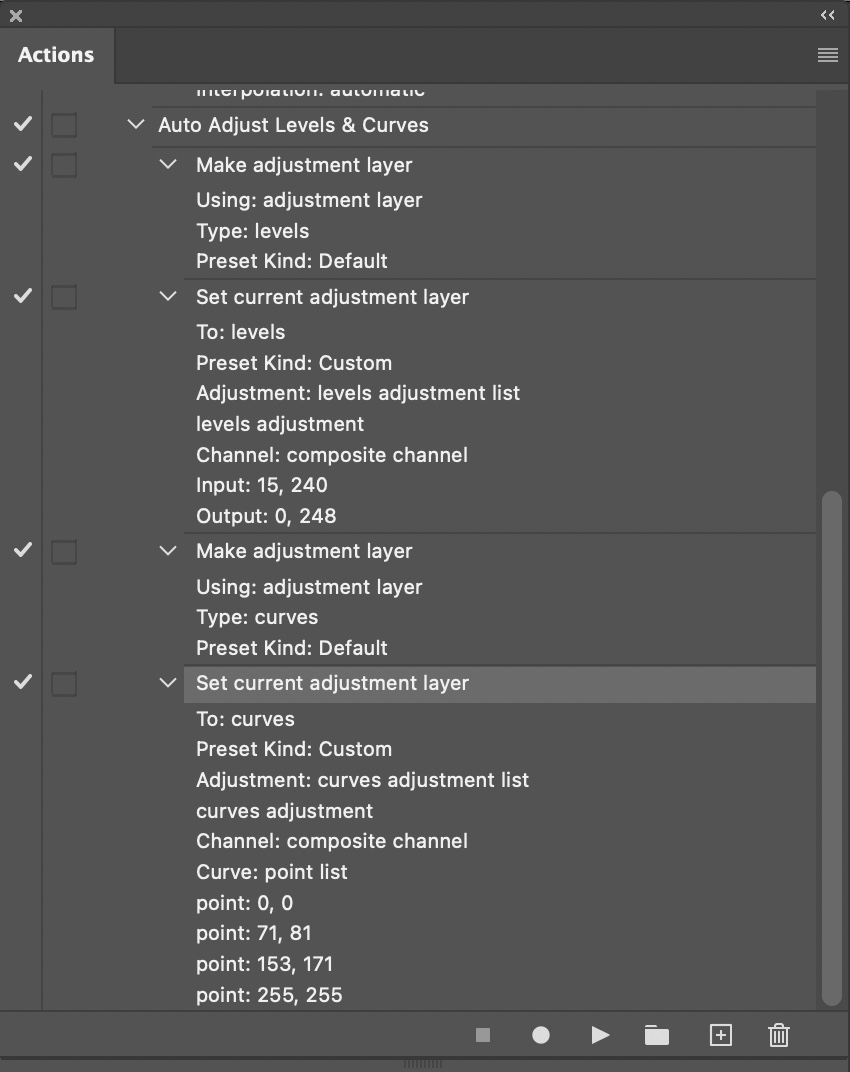
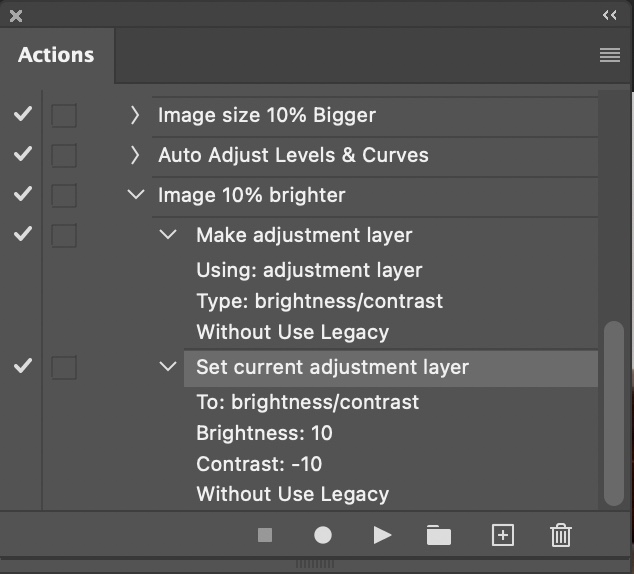
The first action is the for making image size bigger I changed the width to be 250 pixels bigger and the image was already at 300dpi so I left it at. The second action was adjusting the curves, and levels in the photo. I adjusted the levels and curves by adding layers to the image and adjusted them to fit the image. The last image shows the third action where I made the image 10% brighter. I did this by adding an adjustment layer to the image to fit the image.

Week 8 Shoot Exercise:
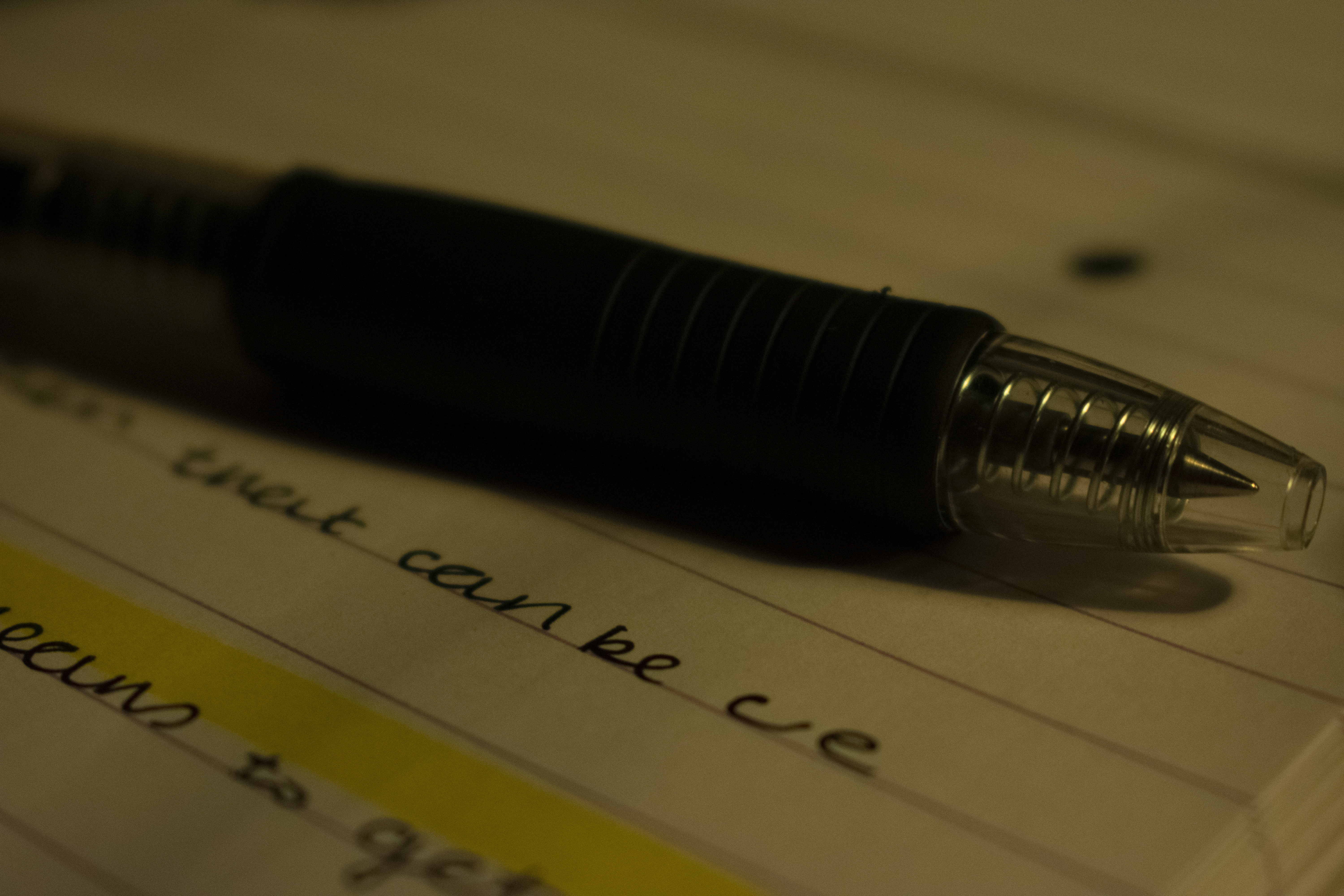
- Image shot at night under tungsten lighting only (using a high ISO of choice – label your ISO setting on print)
- Image shot at night using flash only (using a low ISO of choice – label this on print)
- Image shot during day on overcast or rainy day
- Image shot during day in bright sunlight (no flash)
- Image shot during day (any condition) using fill in flash


 Alicia Newman PJ&DP Course